
How to Choose a Reliable Hydrolyzed Keratin Powder Supplier
2026-01-13 14:58:21
Hydrolyzed keratin powder is widely used in cosmetic and personal care formulations, yet sourcing this ingredient remains inconsistent across the market. Products that share the same name can differ significantly in solubility, odor, peptide distribution, and formulation behavior. These differences are rarely visible on a specification sheet alone, but they often become apparent during formulation or scale-up.
For this reason, selecting a hydrolyzed keratin powder supplier is not simply a pricing decision. Manufacturing methods, quality control systems, and documentation standards all play a direct role in how the ingredient performs once it enters a formulation.
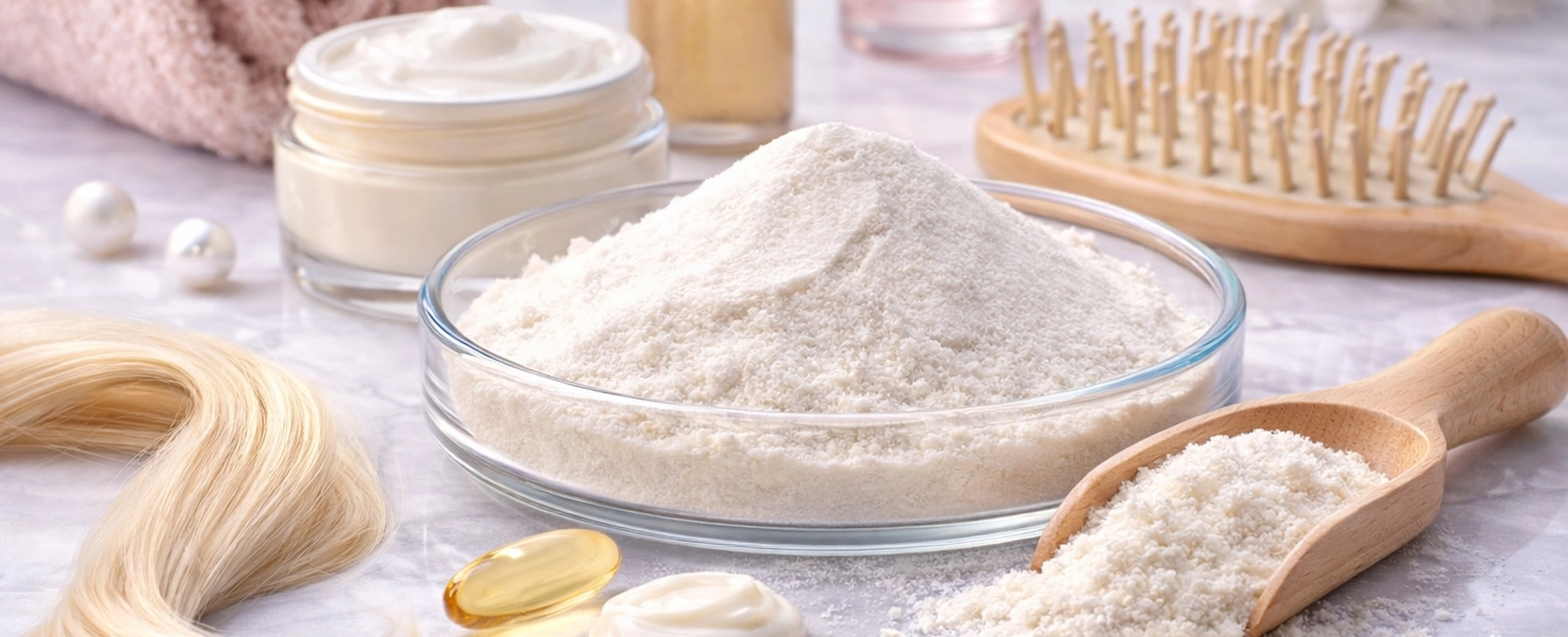
Why Supplier Quality Matters for Hydrolyzed Keratin Powder
In cosmetic and personal care applications, hydrolyzed keratin is valued for its conditioning and film-forming properties rather than for any single functional claim. When quality is inconsistent, formulators may encounter issues such as haze formation, instability in aqueous systems, or unexpected odor development over time.
These problems are rarely caused by the formulation itself. In most cases, they trace back to upstream factors such as raw material source, hydrolysis conditions, or insufficient batch control. This is why hydrolyzed keratin powder quality is closely tied to supplier capability rather than to product description alone.
What Hydrolyzed Keratin Powder Is (and What It Is Not)
Keratin in its native form is a hard, insoluble structural protein. It is naturally present in hair, nails, wool, and feathers, where it provides strength and protection. In this state, keratin is not suitable for cosmetic formulations.
Through controlled hydrolysis, keratin is broken down into smaller peptides and amino acid fragments. This process improves water compatibility and allows the ingredient to function effectively in topical systems. As a result, hydrolyzed keratin powder differs fundamentally from untreated keratin in terms of solubility, molecular weight, and formulation behavior.
Understanding this distinction between hydrolyzed keratin vs keratin helps prevent sourcing errors, especially when comparing materials from different suppliers.
Manufacturing Methods That Affect Performance
Enzymatic Hydrolysis vs Chemical Hydrolysis
The method used to hydrolyze keratin has a direct impact on final product performance. Enzymatic hydrolysis typically produces a narrower peptide distribution and milder odor profile, while harsher chemical methods may introduce color variation or residual processing byproducts.
For cosmetic applications, enzymatic hydrolyzed keratin is often preferred because it offers better compatibility with sensitive formulations and improved stability in water-based systems.
Why Molecular Weight Distribution Matters
Molecular weight distribution influences how keratin peptides interact with hair fibers and skin surfaces. Lower molecular weight fractions tend to improve penetration and conditioning, while higher fractions contribute to film-forming effects.
Suppliers that monitor molecular weight hydrolyzed keratin during production are better positioned to deliver consistent performance across batches.
The Supplier Checks That Prevent Formulation Problems
Batch-to-Batch Consistency
Reliable suppliers maintain stable processing parameters, ensuring that each lot performs similarly in formulation. Batch consistency hydrolyzed keratin is especially important for long-term product lines.
Solubility and Clarity
Poor solubility can cause haze or precipitation. Hydrolyzed keratin powder solubility should be verified in water systems relevant to the final formulation.
Odor and Color Control
Odor is a common issue with protein-derived ingredients. Controlled processing helps minimize hydrolyzed keratin odor and unwanted color variation.
Microbial Limits and Heavy Metals
Cosmetic ingredients must meet strict safety expectations. Suppliers should routinely test microbial limits keratin powder and heavy metal content.
Documentation: COA and MSDS
Complete documentation supports quality verification and regulatory review. Hydrolyzed keratin COA and hydrolyzed keratin MSDS should accompany every batch.
Specification Checklist for Hydrolyzed Keratin Powder
|
Parameter |
Typical Expectation |
|
Appearance |
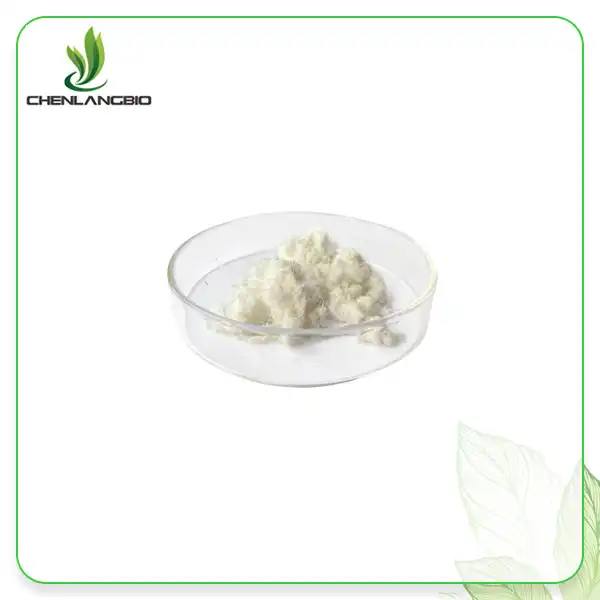
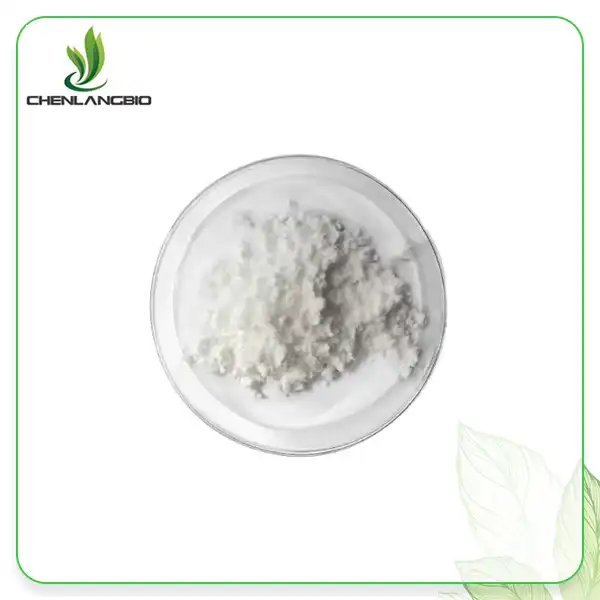
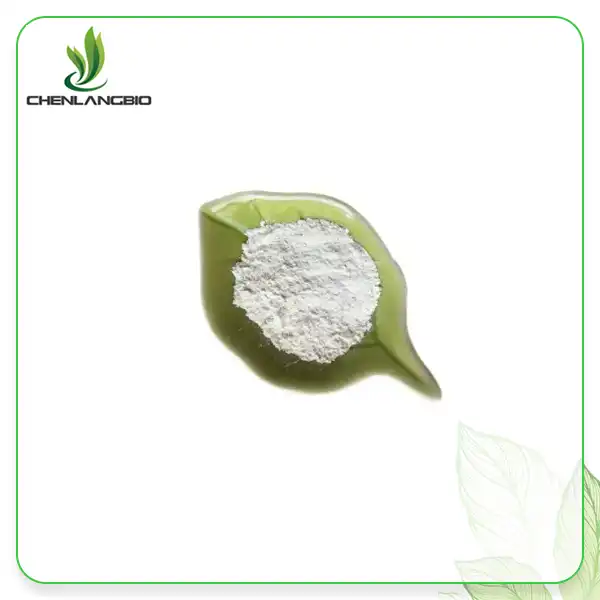
White to off-white powder |
|
Solubility |
Water soluble |
|
Odor |
Mild, controlled |
|
Source |
Natural keratin |
|
Microbial Limits |
Cosmetic-grade compliant |
|
Packaging |
Double-layer inner bag, outer drum |
|
Shelf Life |
24 months under dry storage |
Application Matching: Choosing the Right Grade
Hair Care Formulations
In shampoos and conditioners, hydrolyzed keratin for hair contributes to surface conditioning and improved manageability. Compatibility with surfactant systems is an important consideration.
Nail Care Products
In nail enamels and strengthening treatments, keratin peptides support flexibility and resistance to mechanical stress. Hydrolyzed keratin for nails is typically selected for its film-forming properties.
Skin Care and Cosmetic Products
In creams and lotions, hydrolyzed keratin in skincare functions as a conditioning agent that supports moisture retention without heavy sensory impact.
Manufacturer vs Trader: How to Confirm Supplier Capability
A hydrolyzed keratin powder manufacturer operates differently from a trading company. Manufacturing facilities can control raw material input, processing conditions, and final quality verification. This level of control supports consistent specifications and traceable batches.
Working directly with a hydrolyzed keratin powder factory also simplifies technical communication and reduces uncertainty during scale-up.
CHEN LANG BIO TECH operates as an integrated biotechnology manufacturer specializing in low molecular weight collagen and keratin peptides for food, nutraceutical, cosmetic, and pharmaceutical applications. Its product portfolio includes fish collagen peptides, marine oligopeptides, collagen tripeptides, keratin peptides, and other animal- and plant-derived bioactive peptides supplied to more than 30 international markets.
Manufacturing operations combine in-house R&D laboratories with large-scale production facilities, enabling precise control over molecular weight distribution, solubility, and batch-to-batch consistency. Production technologies include targeted enzymatic hydrolysis, acid-free online cleaning systems, filtration-based sterilization, and instant-dissolution processing, supporting both standardized and customized specifications.
Raw materials are sourced from certified suppliers meeting GAP and HACCP standards and complying with FDA and EU hygiene requirements. Manufacturing and quality systems operate under HACCP and ISO 22000, ensuring consistent product performance, high protein content, low ash levels, and complete water solubility across collagen and keratin peptide products.
Lead Time, MOQ, and Global Supply
Reliable suppliers provide clear information on hydrolyzed keratin powder MOQ, sample availability, and lead times. Stable production capacity ensures uninterrupted supply for both pilot-scale and commercial projects.
International logistics capability further supports long-term cooperation, particularly for customers sourcing bulk hydrolyzed keratin powder.
Frequently Asked Questions
What is the difference between keratin and hydrolyzed keratin?
Hydrolyzed keratin consists of smaller peptides, making it water soluble and suitable for cosmetic formulations.
Is hydrolyzed keratin powder water soluble?
Yes, properly processed hydrolyzed keratin powder water soluble grades dissolve readily in aqueous systems.
What documents should accompany each shipment?
A complete shipment typically includes COA and MSDS for quality and safety verification.
What is a typical MOQ?
MOQ depends on supplier capacity, our MOQ is 1Kg, but bulk production is common for established manufacturers.
From First Samples to Long-Term Supply: How Keratin Sourcing Usually Works
In real-world formulation work, sourcing hydrolyzed keratin powder rarely happens in a single step. Most projects begin with small samples, used to evaluate solubility, odor, and compatibility within existing formulations. Once those basic checks are completed, pilot-scale testing follows to confirm stability and performance under production conditions.
At this stage, communication and responsiveness often matter as much as technical specifications. Working with an experienced hydrolyzed keratin powder supplier helps streamline this transition, particularly when formulation adjustments or additional documentation are required during development.
As projects move closer to commercialization, supply reliability becomes a practical consideration rather than a theoretical one. Consistent access to bulk hydrolyzed keratin powder, stable batch quality, and predictable lead times are essential to avoid delays once production schedules are fixed.
For technical questions, sample requests, or supply discussions related to hydrolyzed keratin powder, direct communication is usually the most efficient approach.
Contact: admin@chenlangbio.com

Send Inquiry
Related Industry Knowledge
- 5 Reasons Cosmetic Brands Choose Piroctone Olamine Powder in 2025
- How Does 3,3, DIIDOLYLMETHANE Support Estrogen Metabolism?
- What are the Benefits of Sodium Ascorbyl Phosphate for the Skin?
- How Effective is Glabridin Powder for Hyperpigmentation
- Exploring Witch Hazel Leaf Extract: Health and Beauty Uses
- Can Powdered L-Carnosine Be Mixed into Body Lotion
- Why is L-Carnosine Beneficial for Vegetarians
- Is Monobenzone Better than Hydroquinone
- What is the Richest Source of Ergothioneine
- What is Different Between Low Molecular and High Molecular Hyaluronic Acid Powder