
Ethyl Ascorbic Acid and Ferulic Acid: Formulation and Stability
2026-10-23 08:58:45
Ethyl ascorbic acid and ferulic acid can be incorporated into the same cosmetic formulation, but developing a stable antioxidant serum requires careful control of solubility, pH, solvent composition, and processing conditions. Although both ingredients are used in skincare products, their chemical properties differ considerably, particularly in water-based systems.
3-O-Ethyl Ascorbic Acid is a vitamin C derivative with modified physicochemical properties, while Ferulic Acid is a phenolic compound whose limited aqueous solubility can complicate formulation development. Combining them successfully involves more than achieving a clear solution during manufacturing. Formulators must also consider crystallization, chemical degradation, discoloration, and ingredient recovery throughout the intended shelf life.
For cosmetic brands and contract manufacturers, these considerations directly influence product consistency, manufacturing efficiency, and raw material selection. This guide examines the formulation challenges associated with an ethyl ascorbic acid ferulic acid serum, explains practical approaches to stability evaluation, and outlines the quality requirements buyers should consider when sourcing cosmetic-grade ingredients.
Ethyl Ascorbic Acid and Ferulic Acid Compatibility
Ethyl ascorbic acid ferulic acid compatibility depends on the behavior of both molecules within the complete formulation rather than their individual stability claims.
Chemical Properties of 3-O-Ethyl Ascorbic Acid and Ferulic Acid
3-O-Ethyl Ascorbic Acid is an ether derivative of L-ascorbic acid, with an ethyl group attached to the 3-hydroxyl position. This structural modification changes its physicochemical behavior compared with conventional vitamin C.
Ferulic Acid, chemically known as 4-hydroxy-3-methoxycinnamic acid, belongs to the hydroxycinnamic acid family. Its aromatic structure and carboxylic acid group influence solubility, ionization, and antioxidant behavior.
|
Property |
3-O-Ethyl Ascorbic Acid |
Ferulic Acid |
|
CAS number |
86404-04-8 |
1135-24-6 |
|
Molecular formula |
C₈H₁₂O₆ |
C₁₀H₁₀O₄ |
|
Molecular weight |
204.18 g/mol |
194.18 g/mol |
|
Chemical classification |
Vitamin C ether derivative |
Hydroxycinnamic acid |
|
Key formulation consideration |
Solvent behavior and chemical stability |
Limited aqueous solubility and pH-dependent ionization |
|
Typical development concern |
Assay loss and discoloration |
Crystallization and degradation |
These differences explain why 3-o-ethyl ascorbic acid and ferulic acid should be evaluated as separate chemical entities before their combined behavior is assessed.
Compatibility in Water-Based Antioxidant Serums
A freshly prepared serum may appear homogeneous even when its solvent system cannot maintain both ingredients in solution during storage.
Changes in temperature, pH, solvent composition, or water content can alter the solubility of Ferulic Acid. Meanwhile, chemical degradation may occur without immediately producing visible precipitation.
Compatibility should therefore be established through ingredient-specific analytical testing, physical stability observations, and representative packaging studies.
Ferulic Acid Solubility and Co-Solvent Selection for Cosmetic Serums
Solubility is often the most immediate technical challenge when incorporating Ferulic Acid into an aqueous cosmetic formulation.
Unlike ingredients that dissolve readily in water at their intended use concentrations, Ferulic Acid may require a carefully selected solvent system to achieve satisfactory incorporation and storage stability.
Ferulic Acid Solubility in Water and Cosmetic Solvents
Ferulic acid solubility in water is limited under many commonly encountered formulation conditions. Its dissolution behavior is influenced by temperature, pH, concentration, and the presence of other dissolved substances.
The molecule contains both a hydrophobic aromatic region and ionizable functional groups. As a result, its apparent solubility can change substantially as the formulation environment changes.
For cosmetic developers, a reported solubility value is useful only when the experimental conditions are understood. Measurements obtained in pure water cannot automatically predict performance in a serum containing glycols, preservatives, polymers, and other active ingredients.
A practical screening program should establish the concentration at which Ferulic Acid remains dissolved under the intended processing and storage conditions.
Ethanol, Glycols and Mixed-Solvent Systems
Ferulic acid solubility in ethanol is an important consideration when designing antioxidant serums because ethanol can serve as a solvent for ingredients with limited water solubility.
However, ethanol is not appropriate for every skincare formulation. Its volatility, sensory characteristics, packaging compatibility, and intended product positioning must be considered.
Propylene glycol, butylene glycol, and other suitable cosmetic solvents may also be evaluated as components of a mixed-solvent system.
A ferulic acid co-solvent system should be selected based on experimental solubility measurements rather than assumptions about individual solvent performance.
For example, a concentrate may dissolve Ferulic Acid successfully but produce precipitation when diluted into the final aqueous formulation. This occurs because the solvent environment changes during incorporation.
The complete formulation must therefore be tested at its final solvent ratio.
Preventing Ferulic Acid Crystallization During Storage
Ferulic acid crystallization in serum can develop even when the product is transparent immediately after manufacturing.
Cooling, solvent evaporation, pH drift, or changes in formulation composition may reduce the amount of Ferulic Acid that remains dissolved.
Formulators should examine samples after preparation, following temperature cycling, and during real-time storage.
Where crystallization occurs, the investigation should consider the active concentration, solvent balance, mixing procedure, and final pH.
Increasing the initial processing temperature may improve dissolution temporarily, but it does not necessarily prevent precipitation after cooling.
For commercial products, the objective is not simply rapid dissolution during manufacturing. It is maintaining an acceptable physical state throughout distribution and consumer use.
Ferulic Acid pH Stability and Ethyl Ascorbic Acid Ionization
pH influences both chemical behavior and physical solubility, making it a critical variable in dual-active serum development.
How pH Influences Ferulic Acid Solubility
Ferulic acid pH stability should be considered alongside its acid–base behavior.
The carboxylic acid group can become increasingly ionized as pH rises, potentially improving apparent aqueous solubility under suitable conditions.
However, increased solubility does not necessarily indicate improved chemical stability.
A formulation may retain Ferulic Acid in solution while experiencing changes in color or measurable ingredient degradation.
Consequently, pH selection should not be based solely on whether the formulation remains transparent.
The pH Behavior of 3-O-Ethyl Ascorbic Acid
3-O-Ethyl Ascorbic Acid has different physicochemical properties from unmodified L-Ascorbic Acid.
Published experimental research has reported a pKa of 7.72 ± 0.01 for 3-O-Ethyl-L-Ascorbic Acid.
This measurement helps characterize its ionization behavior but does not establish a universal optimum formulation pH.
For ethyl ascorbic acid pH stability, developers must evaluate the ingredient in the actual solvent system and formulation matrix.
Designing a pH Screening Study for Dual-Active Formulations
An ethyl ascorbic acid ferulic acid pH study should compare otherwise equivalent formulations across a justified pH range.
The study should measure both active ingredients, monitor Ferulic Acid precipitation, and record appearance and pH changes over time.
The final pH should also support the selected preservative system and the intended product's overall safety and performance requirements.
Rather than assuming one pH is ideal for both ingredients, formulators should identify an experimentally supported operating range.
Antioxidant Formulation Evidence: Ferulic Acid and Vitamin C Derivatives
Ferulic Acid has attracted considerable interest in antioxidant skincare because of research involving vitamin C and vitamin E formulations.
However, interpreting this evidence requires careful distinction between different forms of vitamin C.
Ferulic Acid in Vitamin C and Vitamin E Antioxidant Systems
A widely cited study published in 2005 investigated a formulation containing 15% L-Ascorbic Acid and 1% α-Tocopherol, with the addition of Ferulic Acid.
The researchers reported improved chemical stability of the vitamin combination and enhanced photoprotective effects under their experimental conditions.
This work provides an important scientific foundation for discussing ferulic acid and vitamin C stability.
Nevertheless, the findings relate to a particular formulation and should not be generalized to every vitamin C derivative or finished cosmetic product.
Why L-Ascorbic Acid Research Cannot Be Applied Directly to Ethyl Ascorbic Acid
L-Ascorbic Acid and 3-O-Ethyl Ascorbic Acid are chemically distinct molecules.
The ethyl modification changes molecular properties relevant to solubility, ionization, and formulation behavior.
Therefore, evidence demonstrating improved stability in an L-Ascorbic Acid system cannot establish that Ferulic Acid produces an identical effect in an ethylated vitamin C formulation.
When developing a vitamin C derivative and ferulic acid combination, manufacturers should evaluate antioxidant performance and ingredient stability independently.
An effective ferulic acid antioxidant serum formulation requires experimental evidence rather than relying on presumed synergy.
Developing an Ethyl Ascorbic Acid and Ferulic Acid Serum
A practical ethyl ascorbic acid ferulic acid formulation should begin with solvent screening and proceed through controlled laboratory trials before pilot-scale production.
Ingredient Dissolution and Addition Sequence
The initial development stage should determine how each ingredient behaves in the selected solvent system.
Ferulic Acid may require a dedicated solvent concentrate, while 3-O-Ethyl Ascorbic Acid should be incorporated under conditions supported by its own solubility characteristics.
Separate dissolution trials help identify whether precipitation results from insufficient solvent capacity, incompatible processing conditions, or interactions within the final formulation.
The addition sequence should then be established using the complete ingredient composition.
Processing Temperature, Solvent Loss and pH Adjustment
Temperature can influence dissolution rates, but unnecessary heating may introduce additional stability risks.
Where volatile solvents are used, manufacturers should control evaporation during mixing and transfer.
Changes in solvent composition can affect Ferulic Acid solubility and may lead to precipitation after processing.
pH adjustment should be performed carefully, with measurements taken after the formulation has equilibrated.
For ferulic acid serum formulation, the processing procedure should be documented sufficiently to reproduce the same solvent ratio, ingredient incorporation, and final pH across batches.
From Laboratory Screening to Pilot-Scale Manufacturing
Scale-up introduces changes in mixing intensity, temperature distribution, processing time, and solvent exposure.
These factors may affect ingredient dissolution and physical stability even when the nominal formulation remains unchanged.
A structured development process helps reduce these risks.
|
Development stage |
Primary evaluation |
|
Solvent screening |
Solubility and clarity |
|
Active incorporation |
Addition sequence and mixing |
|
pH adjustment |
Final pH and precipitation |
|
Pilot manufacturing |
Process reproducibility |
|
Filling and packaging |
Solvent retention and compatibility |
For antioxidant serum manufacturing, pilot batches should undergo analytical and physical evaluation before full commercial production.
Ethyl Ascorbic Acid and Ferulic Acid Stability: Discoloration and Packaging
Ethyl ascorbic acid stability and Ferulic Acid stability should be assessed independently, even when both ingredients are present in the same formulation.
Oxidation, Light Exposure and Serum Yellowing
Color changes in antioxidant serums can result from several processes, including chemical degradation, light exposure, oxidation, and interactions with other formulation components.
Ethyl ascorbic acid serum discoloration should not automatically be attributed to one specific degradation pathway.
Similarly, the presence of Ferulic Acid does not guarantee that a formulation will remain colorless throughout storage.
Analytical measurements are necessary to establish whether visible changes correspond to active ingredient loss.
Ferulic Acid Precipitation and Physical Stability
Ferulic acid precipitation is a physical stability concern that must be distinguished from chemical degradation.
Crystals or suspended particles can affect product appearance, dose uniformity, and consumer acceptance.
A formulation may retain much of its original chemical content while failing physical stability requirements.
For ferulic acid serum stability, both analytical recovery and visual observations should therefore be included in the acceptance criteria.
Selecting Packaging for Antioxidant Serum Stability
Packaging selection should consider light transmission, oxygen exposure, closure integrity, and compatibility with the solvent system.
Where ethanol or another volatile component is present, solvent retention deserves particular attention.
Opaque or protective packaging may be evaluated, but its suitability must be demonstrated through testing with the actual formulation.
HPLC Testing and Quality Control for Ferulic Acid Serums
Reliable analytical methods are essential for determining whether a dual-active formulation remains within specification.
•HPLC Assay of Ethyl Ascorbic Acid and Ferulic Acid
An ethyl ascorbic acid HPLC assay can be used to quantify the vitamin C derivative during formulation development and stability studies.
Similarly, ferulic acid HPLC analysis can establish Ferulic Acid recovery.
Methods must demonstrate adequate specificity in the finished formulation, where preservatives, solvents, and degradation products may interfere with measurement.
Method suitability should be assessed through appropriate accuracy, precision, and specificity studies.
•Accelerated Stability and Real-Time Evaluation
Ferulic acid stability testing benefits from a comparative experimental design.
|
Sample |
Composition |
Evaluation objective |
|
A |
Base formulation |
Identify changes unrelated to either active |
|
B |
Ethyl Ascorbic Acid only |
Evaluate individual ingredient stability |
|
C |
Ferulic Acid only |
Evaluate Ferulic Acid behavior |
|
D |
Both active ingredients |
Investigate the combined formulation |
Samples should be stored under defined conditions, with observations and analytical measurements collected at predetermined intervals.
For cosmetic serum quality control, the evaluation should include pH, appearance, crystallization, color, active ingredient content, and packaging compatibility.
Accelerated testing provides useful comparative information, but it should not be treated as a substitute for an appropriately designed real-time stability program.
Cosmetic-Grade Ethyl Ascorbic Acid and Ferulic Acid Specifications
Consistent formulation performance begins with clearly defined raw material specifications.
For manufacturers developing commercial antioxidant serums, ingredient identity, purity, analytical documentation, and batch consistency should be reviewed before supplier approval.
Raw Material Purity, Identity and COA Review
CHEN LANG BIO TECH supplies cosmetic grade ethyl ascorbic acid with an assay specification of at least 99%.
|
Specification |
3-O-Ethyl Ascorbic Acid |
|
INCI name |
3-O-Ethyl Ascorbic Acid |
|
CAS number |
86404-04-8 |
|
Molecular formula |
C₈H₁₂O₆ |
|
Molecular weight |
204.18 g/mol |
|
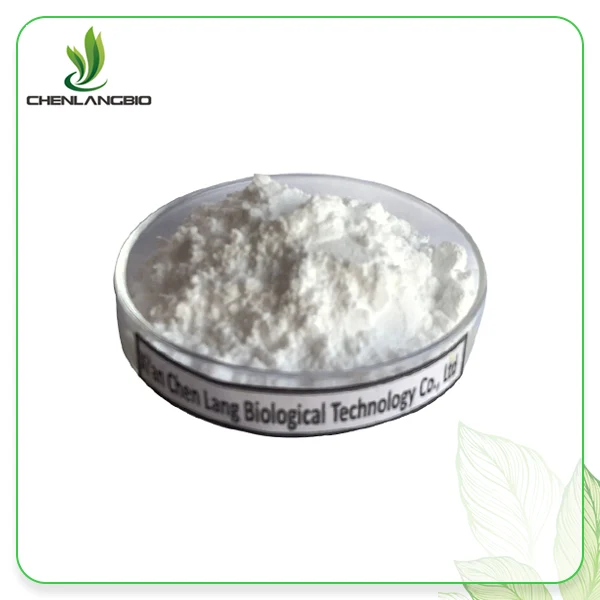
Appearance |
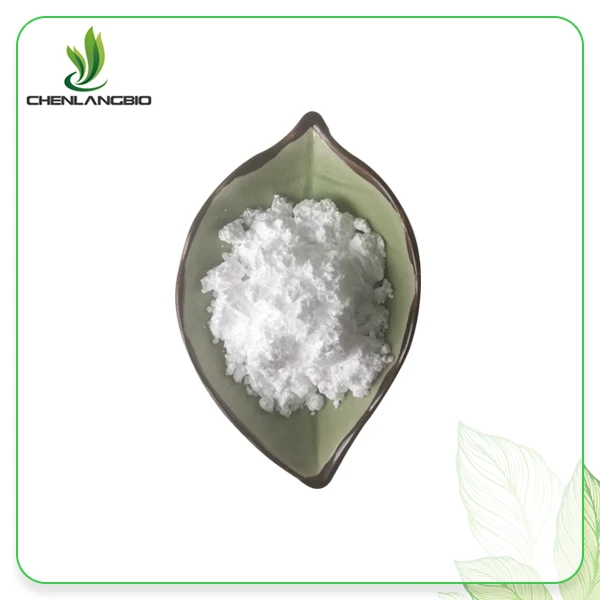
White to off-white crystalline powder |
|
Assay |
≥99% |
|
Packaging |
1–5 kg aluminum foil bags; 25 kg paper drums |
|
Documentation |
COA and applicable technical documents |
Buyers evaluating 3-o-ethyl ascorbic acid 99% should verify the analytical method, identity, appearance, and relevant impurity requirements.
A current ethyl ascorbic acid COA should correspond to the supplied batch and agreed purchasing specification.
For Ferulic Acid, the ferulic acid raw material specification should address identity, assay, relevant impurities, and the analytical method used. Where applicable, the declared isomeric composition should also be reviewed.
Incoming Inspection and Supplier Qualification
Supplier qualification should include documentation review, representative sample testing, and an assessment of batch-to-batch consistency.
Changes in raw material characteristics can influence dissolution behavior, color, and finished-product stability.
For this reason, purchasing and formulation teams should establish agreed specifications before approving ingredients for commercial production.
Bulk Ethyl Ascorbic Acid Sourcing for Cosmetic Manufacturers
Selecting an ethyl ascorbic acid manufacturer involves more than comparing assay values.
Buyers should consider documentation, packaging, material consistency, sample availability, and the supplier's ability to support repeat orders.
Supplier Documentation, Samples and Commercial Pricing
As an ethyl ascorbic acid supplier, CHEN LANG BIO TECH provides 99% 3-O-Ethyl Ascorbic Acid for cosmetic formulation development and commercial ingredient sourcing.
Customers purchasing bulk ethyl ascorbic acid can discuss the required quantity, packaging, and destination market.
When requesting an ethyl ascorbic acid price per kg, buyers should specify the anticipated order volume and documentation requirements.
For customers planning to buy ethyl ascorbic acid powder, evaluation samples can support preliminary solubility and stability studies before larger purchasing commitments.
Commercial buyers considering wholesale ethyl ascorbic acid should also confirm the applicable MOQ, lead time, and shipment arrangements.
For specifications, sample inquiries, or ethyl ascorbic acid bulk powder quotations, contact admin@chenlangbio.com.
Frequently Asked Questions About Ethyl Ascorbic Acid and Ferulic Acid
Can ethyl ascorbic acid and ferulic acid be used in the same serum?
Yes. Both ingredients can be evaluated in the same cosmetic serum. However, the formulation must be tested for Ferulic Acid solubility, pH compatibility, chemical stability, and physical changes before commercial production.
Why is ferulic acid difficult to dissolve in water?
Ferulic Acid contains an aromatic structure and exhibits limited aqueous solubility under many formulation conditions. Its dissolution behavior depends on pH, temperature, concentration, and solvent composition. A suitable co-solvent system may be necessary.
Does ferulic acid improve the stability of ethyl ascorbic acid?
Research involving L-Ascorbic Acid, vitamin E, and Ferulic Acid cannot directly establish the same effect for 3-O-Ethyl Ascorbic Acid. The stability of the specific combination must be verified experimentally.
What should buyers check before sourcing cosmetic-grade ethyl ascorbic acid?
Buyers should review the ingredient specification, assay method, batch-specific COA, relevant impurities, packaging, and storage requirements. Representative samples should be evaluated in the intended formulation before commercial approval.
Conclusion: Stable Ethyl Ascorbic Acid and Ferulic Acid Formulations
Developing a stable combination of ethyl ascorbic acid and ferulic acid requires careful attention to solvent selection, pH, processing conditions, and analytical testing.
Ferulic Acid solubility is often a central formulation challenge, while long-term performance depends on the complete cosmetic system.
For manufacturers, reliable ingredient specifications and consistent supply support successful scale-up and commercial production.
CHEN LANG BIO TECH provides 99% 3-O-Ethyl Ascorbic Acid for cosmetic applications. Contact admin@chenlangbio.com to request technical documentation, samples, or a commercial quotation.
References
1. Iliopoulos, F., et al. (2019). 3-O-Ethyl-L-Ascorbic Acid: Characterisation and Investigation of Single Solvent Systems for Delivery to the Skin. International Journal of Pharmaceutics: X, 1, 100025. DOI: 10.1016/j.ijpx.2019.100025.
2. Iliopoulos, F., et al. (2020). Topical Delivery of 3-O-Ethyl-L-Ascorbic Acid from Complex Solvent Systems. Scientia Pharmaceutica, 88(2), 19. DOI: 10.3390/scipharm88020019.
3. Lin, F. H., et al. (2005). Ferulic Acid Stabilizes a Solution of Vitamins C and E and Doubles Its Photoprotection of Skin. Journal of Investigative Dermatology, 125(4), 826–832. DOI: 10.1111/j.0022-202X.2005.23768.x.
4. Kumar, N., and Pruthi, V. (2014). Potential Applications of Ferulic Acid from Natural Sources. Biotechnology Reports, 4, 86–93. DOI: 10.1016/j.btre.2014.09.002.
5. International Organization for Standardization. ISO/TR 18811:2018 — Cosmetics: Guidelines on the Stability Testing of Cosmetic Products.
6. International Council for Harmonisation. ICH Q2(R2): Validation of Analytical Procedures. 2023. General analytical validation reference; not a cosmetic-specific regulatory standard.

Send Inquiry
Related Industry Knowledge
- Resveratrol and Skin Care: Benefits, Stability, and How to Use It in Cosmetic Formulations
- What is Dihydromyricetin Used for?
- Top 5 Benefits of Laminaria Japonica Extract for Glowing Skin
- Is Diosmin Safe for Hemorrhoids
- Is Kopexil Effective for Treating Male and Female Pattern Baldness?
- Why Tart Cherry Extract Powder Is a Superfood
- Pro-xylane Powder: A Guide for Beginners
- How Water Soluble Coenzyme Q10 Boosts Energy
- Unlocking the Skin Benefits of Paeoniflorin 80%
- What Are the Side Effects of Nitenpyram