
Ashwagandha Extract for Stress and Sleep: Benefits, Mechanism, and Supplement Applications
2026-03-24 15:24:40
What Is Ashwagandha Extract?
Ashwagandha extract, derived from the roots of Withania somnifera, is widely recognized as one of the most established adaptogenic ingredients used in modern nutraceutical formulations. Originating from traditional Ayurvedic practice, this botanical has transitioned into a scientifically studied ingredient with growing relevance in stress management and sleep support applications.
At its core, what is ashwagandha extract refers to a concentrated form of the plant’s bioactive compounds—most notably withanolides. These compounds are considered the primary contributors to the functional properties associated with the extract.
In contemporary product development, standardized ashwagandha extract has become the preferred format. Standardization ensures a defined percentage of withanolides, allowing for consistent performance across formulations and batches.
The distinction between ashwagandha root extract vs powder is particularly important in formulation contexts. While root powder reflects the whole botanical material, extracts provide:
•Higher concentration of active compounds
•Improved solubility and formulation control
•Greater consistency in functional outcomes
For this reason, withania somnifera extract is commonly selected for applications where efficacy, stability, and reproducibility are critical.
As global interest in adaptogens continues to expand, the demand for a clearer ashwagandha extract benefits overview has also increased—particularly in relation to stress physiology and sleep regulation.
Key Benefits of Ashwagandha Extract for Stress and Sleep
Ashwagandha extract has gained significant attention due to its ability to support both stress resilience and sleep quality through interconnected physiological pathways. Its classification as an adaptogen reflects its role in helping the body maintain homeostasis under varying conditions.
Stress Reduction and Cortisol Regulation
One of the most extensively studied properties of ashwagandha extract for stress relief is its influence on cortisol regulation. Cortisol is a central hormone involved in the body’s response to physical and psychological stress.
Research suggests that supplementation with standardized ashwagandha extract may contribute to:
•Reduction of elevated cortisol levels
•Improved stress adaptation
•Enhanced emotional stability under prolonged stress conditions
These effects position ashwagandha as a key component in formulations designed for cortisol reduction supplements and broader stress support strategies.
As an established adaptogen for stress management, its role is not to suppress stress responses entirely, but to modulate them—supporting a more balanced physiological reaction over time
Sleep Improvement and Relaxation Support
In addition to stress modulation, ashwagandha extract for sleep has been increasingly incorporated into formulations aimed at improving sleep quality.
Rather than acting as a direct sedative, ashwagandha supports relaxation by reducing underlying stress signals, which are often a primary cause of sleep disturbances. This mechanism makes it particularly suitable as a natural sleep aid supplement ingredient.
Its application is especially relevant in:
•Sleep support formulations focused on relaxation
•Products targeting mild insomnia
•Nighttime recovery supplements
As a herbal extract for insomnia, ashwagandha is valued for its ability to promote restful sleep without the dependency risks associated with conventional sleep agents.
Additional Benefits for Mental and Physical Performance
Beyond its primary role in stress and sleep, ashwagandha extract has demonstrated broader functional potential.
These include:
•Supporting emotional balance in ashwagandha for anxiety applications
•Enhancing cognitive clarity in ashwagandha for focus formulations
•Contributing to endurance and recovery in ashwagandha for athletic performance products
This multifunctionality allows the ingredient to be integrated into a wide range of formulations, from cognitive health to sports nutrition, without requiring fundamental changes in formulation strategy.
How Ashwagandha Extract Works: Mechanism of Action
Understanding the mechanism behind ashwagandha’s effects is essential for evaluating its role in formulation and its relevance in evidence-based product development.
Role of Withanolides in Stress Response
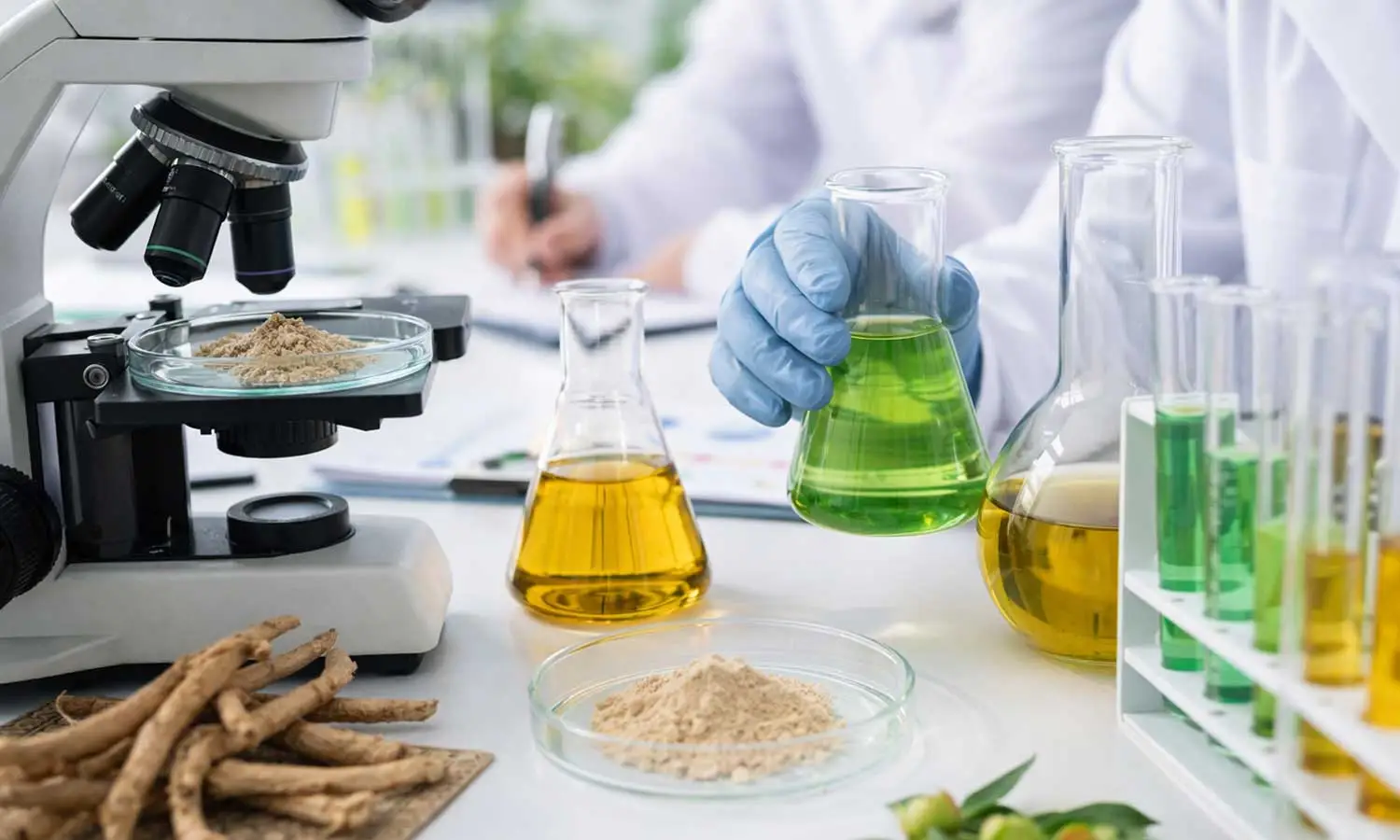
The biological activity of ashwagandha is largely attributed to withanolides, a group of naturally occurring compounds with structural similarities to steroidal lactones.
These compounds are central to the observed withanolides benefits, particularly in modulating stress-related pathways.
A clear understanding of the active compounds in ashwagandha is essential when evaluating extract quality and functionality. Standardization based on withanolide content provides a measurable parameter for consistency and efficacy.
This is also a key factor in explaining how ashwagandha works at a biochemical level, especially in relation to stress adaptation and neuroendocrine balance.
Interaction with the Nervous System
Ashwagandha’s adaptogenic properties are closely linked to its interaction with the central nervous system.
Studies suggest that it may:
•Support neurotransmitter balance
•Influence GABA-related pathways
•Promote a state of physiological calm
This interaction forms the basis of the adaptogen mechanism, allowing the body to respond more efficiently to external and internal stressors.
The relationship between ashwagandha nervous system modulation and mental relaxation is particularly relevant in formulations targeting both stress and sleep.
Additionally, its association with GABA activity ashwagandha pathways provides a plausible explanation for its calming effects without inducing sedation.
Impact on Cortisol and Sleep Cycles
Ashwagandha also plays a role in regulating hormonal rhythms, particularly those associated with stress and sleep.
By supporting balanced cortisol levels, it contributes to:
•Reduced nighttime physiological stress
•Improved transition into sleep
•Enhanced overall sleep quality
This makes it highly relevant in formulations focused on cortisol and sleep regulation, where stress-related sleep disruption is a primary concern.
As interest grows in herbal cortisol support, ashwagandha remains one of the most extensively studied and widely applied botanical ingredients.
Its influence on sleep hormone balance further reinforces its position as a core component in sleep-focused formulations.
Why Ashwagandha Extract Is Widely Used in Supplements
The widespread use of ashwagandha extract in modern formulations is driven by a combination of functional efficacy, formulation flexibility, and compatibility with other active ingredients.
High Demand in Stress & Sleep Formulations
The increasing prevalence of stress-related conditions and sleep disorders has led to growing interest in botanical solutions.
Ashwagandha extract is now frequently incorporated into:
•Stress support formulations
•Sleep optimization products
•Mood and relaxation blends
As part of the expanding adaptogen supplement market, it plays a central role in the development of products targeting both mental and physical well-being.
Its inclusion in stress relief supplement ingredients and sleep supplement formulation strategies reflects both its historical use and its growing body of scientific validation.
Compatibility with Other Ingredients
One of the defining advantages of ashwagandha extract is its compatibility with a wide range of functional ingredients.
It is commonly combined with:
•Melatonin in sleep-focused formulations (ashwagandha with melatonin)
•Magnesium in relaxation products (ashwagandha with magnesium)
•Amino acids and botanical extracts in complex blends
This flexibility enhances supplement formulation compatibility, allowing it to be used across multiple product categories without compromising stability or performance.
Forms: Powder, Capsules, and Functional Foods
Ashwagandha extract is adaptable to a variety of delivery systems, making it suitable for different product formats.
Common applications include:
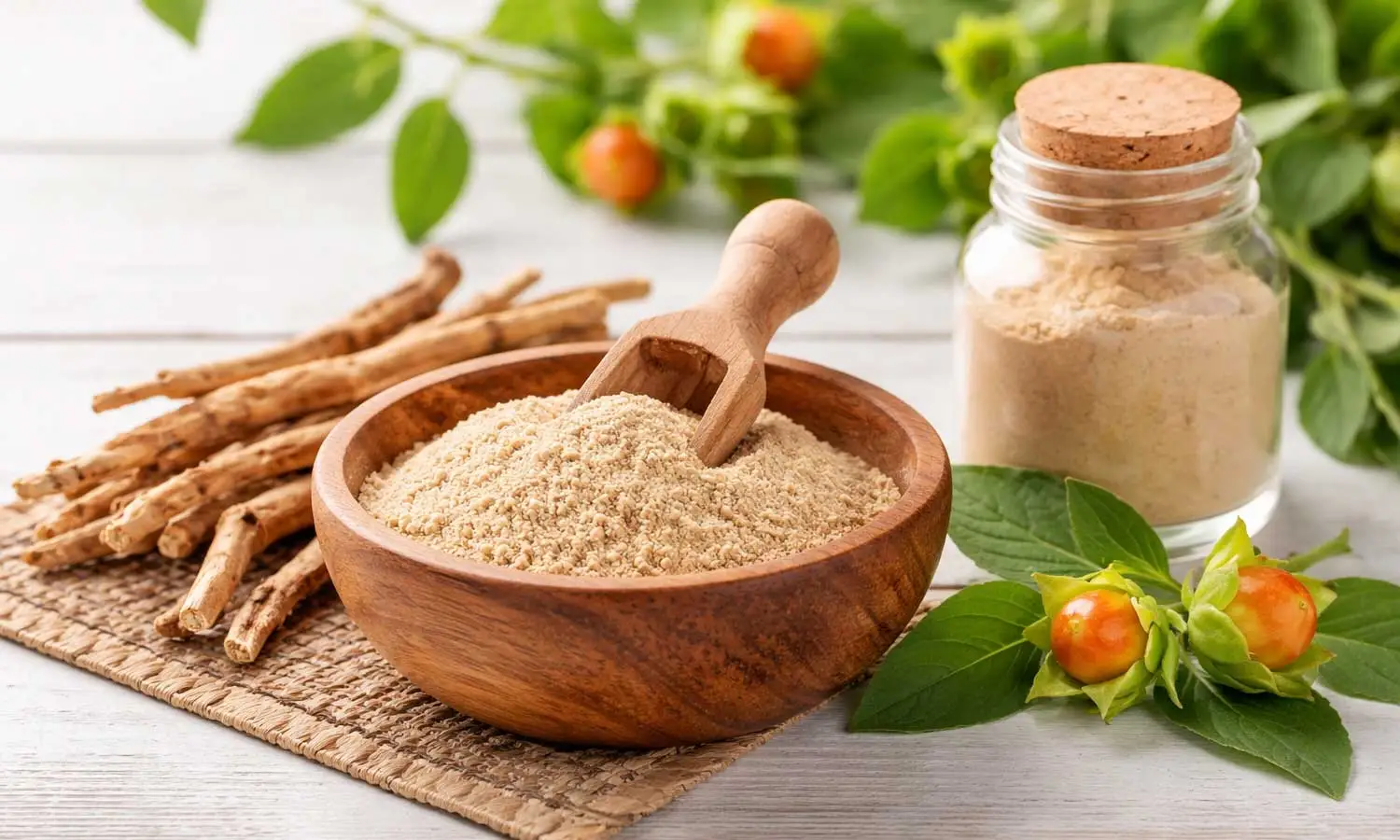
•Powder-based formulations (ashwagandha extract powder bulk)
•Capsules and tablets (capsule supplement ingredients)
•Functional foods and beverages (functional food ingredients)
This versatility supports its continued integration into diverse product concepts, particularly as demand for plant-based and adaptogenic ingredients continues to grow.
Standardization Matters: 5% vs 10% Withanolides
Standardization is one of the most critical factors in evaluating ashwagandha extract quality and functionality. The percentage of withanolides directly influences both the biological activity and formulation positioning of the ingredient.
In practice, the most common specifications include ashwagandha extract 5% withanolides and higher-potency variants such as 10% withanolides ashwagandha. While both are widely used, their applications and formulation strategies often differ.
Lower concentrations, such as 5%, are typically selected for:
•Daily wellness formulations
•Broad-spectrum adaptogen blends
•Cost-sensitive product lines
In contrast, higher concentrations—classified as high potency ashwagandha extract—are more commonly used in:
•Targeted stress or sleep formulations
•Premium product positioning
•Lower dosage formats with higher functional intensity
From a formulation perspective, standardized extracts provide several advantages:
•Consistent active compound delivery
•Improved batch-to-batch reproducibility
•Alignment with clinical study parameters
For this reason, working with a standardized ashwagandha extrac supplier capable of maintaining stable withanolide levels is essential for ensuring product consistency and regulatory alignment.
How to Choose a Reliable Ashwagandha Extract Supplier
Selecting a reliable source of ashwagandha extract requires a comprehensive evaluation of quality systems, manufacturing standards, and supply consistency.
Quality Standards (COA, Testing, Certifications)
A high-quality extract should be supported by complete documentation, including a valid ashwagandha extract COA, which verifies key parameters such as active content, purity, and safety.
In addition, reputable producers typically provide:
•Third party tested herbal extract verification
•Microbiological and heavy metal analysis
•Compliance with internationally recognized standards
Facilities operating under GMP certified supplier frameworks ensure that manufacturing processes are controlled, traceable, and aligned with global regulatory expectations.
These factors are not only essential for product safety, but also for maintaining consistency across long-term production cycles.
Supply Stability and Bulk Availability
Beyond quality, supply continuity plays a critical role in formulation planning and commercial scalability.
Reliable partners are expected to offer:
•Consistent availability of bulk ashwagandha extract supplier volumes
•Predictable lead times
•Capacity for ongoing wholesale ashwagandha extract supply
Interruptions in raw material supply can directly impact production schedules, making supply chain stability a key consideration in ingredient selection.
What Defines a Consistent Manufacturing Source
A dependable ashwagandha extract manufacturer is typically characterized by:
•Controlled raw material sourcing
•Standardized extraction processes
•Internal and external quality validation systems
Understanding how to choose herbal extract supplier often comes down to evaluating long-term reliability rather than short-term pricing advantages.
In practice, consistency in active compound levels, documentation transparency, and manufacturing discipline are the factors that ultimately define supplier performance.
Ashwagandha Extract Bulk Price: What Affects Cost?
Pricing of ashwagandha extract varies depending on several technical and supply-related factors. Understanding these variables is essential for evaluating ashwagandha extract bulk price and ensuring alignment between cost and product positioning.
Withanolide Content and Standardization
One of the primary pricing drivers is the concentration of active compounds.
Higher standardized extracts, such as those with elevated withanolide levels, typically result in:
•Increased production complexity
•Lower raw material yield
•Higher ashwagandha extract price per kg
This is particularly relevant when comparing standard extracts to high-potency variants.
Raw Material Quality and Origin
The quality of the starting botanical material significantly impacts both performance and cost.
Factors include:
•Cultivation practices (organic vs conventional)
•Harvesting conditions
•Geographic origin
These variables influence not only extract quality but also positioning within the wholesale herbal extract price range.
Extraction Technology and Processing
Different extraction methods can affect both yield and purity.
Advanced extraction processes may provide:
•Higher purity profiles
•Better preservation of active compounds
•Reduced impurities
However, these improvements often come with increased production costs, which are reflected in final pricing.
Market Supply and Demand Dynamics
Global demand for adaptogenic ingredients continues to grow, influencing availability and pricing stability.
Fluctuations in raw material supply, seasonal variations, and export dynamics all contribute to changes in ashwagandha extract bulk price over time.
FAQ: Ashwagandha Extract for Stress and Sleep
What is the best ashwagandha extract for sleep?
The most suitable extract for sleep applications is typically a standardized ashwagandha extract with consistent withanolide content. Moderate concentrations are often preferred for daily use, while higher-potency extracts may be used in targeted formulations.
What percentage of withanolides is effective?
The effective range generally falls between 2.5% and 10%, depending on formulation goals. Ashwagandha extract 5% withanolides is widely used for general wellness, while higher concentrations are applied in more focused products.
Is ashwagandha extract safe for daily use?
Ashwagandha has a long history of traditional use and is widely considered safe when used appropriately. Modern standardized extracts have been evaluated in multiple studies, supporting their use as part of daily supplementation.
Can ashwagandha be combined with other ingredients?
Yes, ashwagandha is frequently used in combination with other compounds in ashwagandha supplement formulation, including minerals, amino acids, and botanical extracts, depending on the intended application.
Where to source bulk ashwagandha extract?
Sourcing typically involves working with an established ashwagandha extract supplier that can provide standardized extracts, documentation, and consistent supply volumes suitable for long-term production.
Conclusion: Why Ashwagandha Extract Remains a Key Ingredient in Stress and Sleep Solutions
Ashwagandha extract continues to play a central role in the development of stress and sleep-related formulations, supported by both traditional use and modern scientific validation.
Its ability to modulate stress response, support sleep quality, and integrate seamlessly into diverse formulations has made it one of the most versatile botanical ingredients in the current nutraceutical landscape.
As demand for effective, plant-based solutions continues to expand, the importance of consistent quality, standardized composition, and reliable supply becomes increasingly evident in the selection of ashwagandha extract for long-term product development.
In practice, working with an experienced manufacturing partner can help ensure stability in both quality and supply. At CHEN LANG BIO TECH, we maintain standardized production of ashwagandha extract with controlled withanolide content, supported by batch-level documentation and third-party testing.
For technical specifications or sample requests, communication can be directed to:
📧 Email: admin@chenlangbio.com
🌐 Website: www.chenlangbio.com

Send Inquiry
You may like
Related Industry Knowledge
- Punicalagin Powder for Skin Brightening and Anti-Aging Formulas
- Pyrethrin Insecticide for Export: High Value and Global Demand
- Elastin Peptide: The Science-Backed Ingredient for Firm Skin
- Where to Buy Authentic Pro-xylane Powder Online
- What are the Active Compounds in Camellia Oleifera Seed Extract
- Is Nitenpyram Safe for Pets
- How Do I Use Hyaluronic Acid Powder In My Skincare Routine
- Is Centella Asiatica Extract Safe for Skin
- Fisetin Powder Manufacturing Process
- How to Use Aloe Vera Gel Freeze-Dried Powder