Resveratrol 98% vs 50% Extract Which Grade Should You Choose for Your Product
2025-12-05 17:59:44
Resveratrol powder has become an essential active ingredient for global brands developing anti-aging supplements, advanced skincare formulas, and functional health products. As demand continues to rise, one of the most common questions we receive from overseas buyers is whether they should choose 98% pure resveratrol or a 50% botanical extract. These two grades look similar on paper, yet they behave very differently in formulation, regulatory acceptance, stability, and cost structure. The challenge for many procurement teams is not finding a supplier, but understanding which specification aligns with their product’s technical requirements and market positioning.
From a manufacturing perspective, these differences are not accidental. The 50% extract represents a broader spectrum of natural polyphenols from polygonum cuspidatum, whereas the 98% material is a highly refined, all-trans crystalline active produced through multi-stage purification and controlled crystallization. Each grade serves a distinct purpose, and choosing the wrong one can lead to unnecessary cost increases, formulation setbacks, or regulatory complications—especially for brands targeting the US, EU, or Japan.
As a professional producer, CHEN LANG BIO TECH is to help buyers understand these distinctions clearly. This article outlines how each grade is made, where it performs best, and how to select the most suitable specification based on your product’s application and market needs.
⭐ What Is Resveratrol 50% Extract?
Resveratrol 50% extract represents the more traditional form of this ingredient, derived directly from Polygonum cuspidatum without undergoing the advanced purification steps required for high-purity crystalline grades. Instead of isolating only the active stilbene, this specification retains a broader matrix of natural polyphenols—including emodin, flavonoids, and plant fibers—that remain present after primary extraction and concentration. For many customers, this composition is not a drawback; in fact, it is often preferred for applications where a “whole-plant” profile or a cost-efficient antioxidant source is more suitable than a refined active.
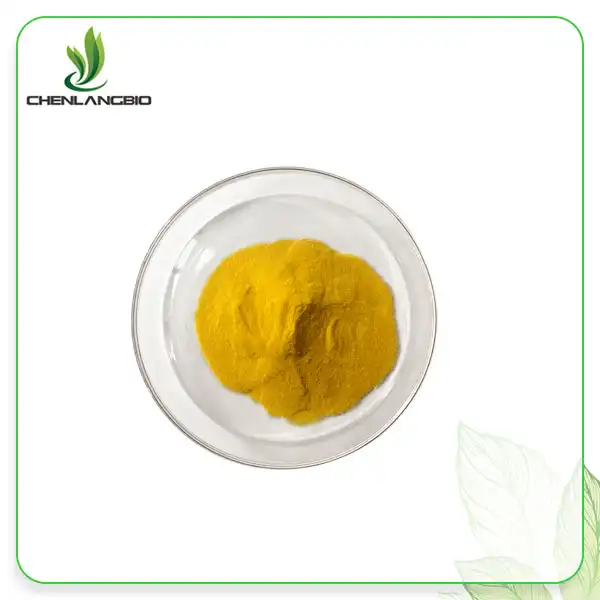
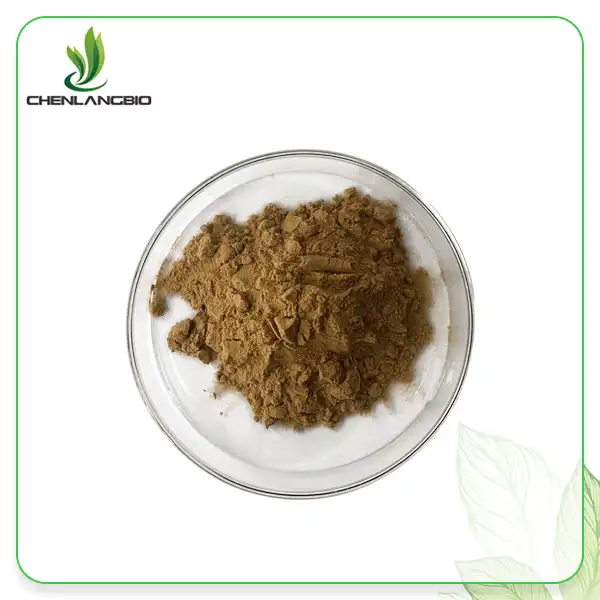
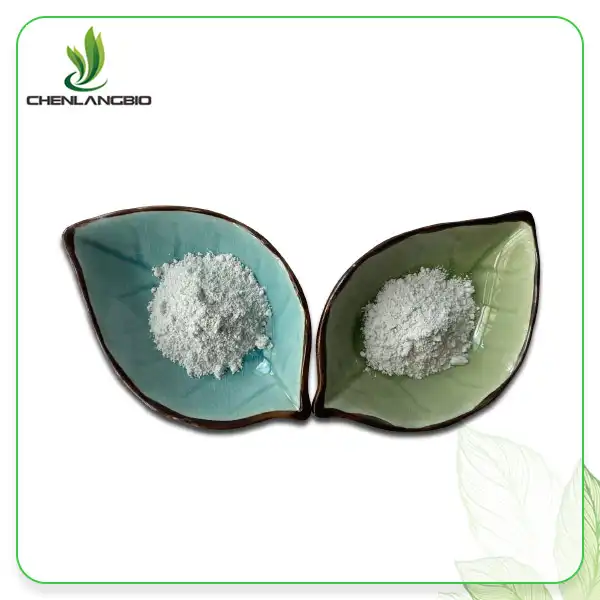
Because polygonum cuspidatum extract 50% maintains part of the plant’s natural spectrum, its color appears darker—typically light brown to brown—and its flavor profile is more characteristic of botanical extracts. These attributes make it a practical choice for food and beverage applications, functional snacks, pet supplements, and formulations where the extract will be combined with other natural ingredients. In these categories, brands generally look for a balance between antioxidant activity, label-friendly positioning, and manageable cost, rather than the extremely high purity required for clinical or cosmetic use.
From a processing standpoint, natural resveratrol extract in 50% concentration is more forgiving in complex formula systems. It disperses well in blends, supports clean-label marketing claims, and provides a broader antioxidant effect due to its polyphenol content. For procurement teams evaluating cost–performance ratios, this grade achieves a competitive balance that suits large-volume functional products without over-engineering the purity level.
⭐ What Is Resveratrol 98% (Pure trans-Resveratrol)?
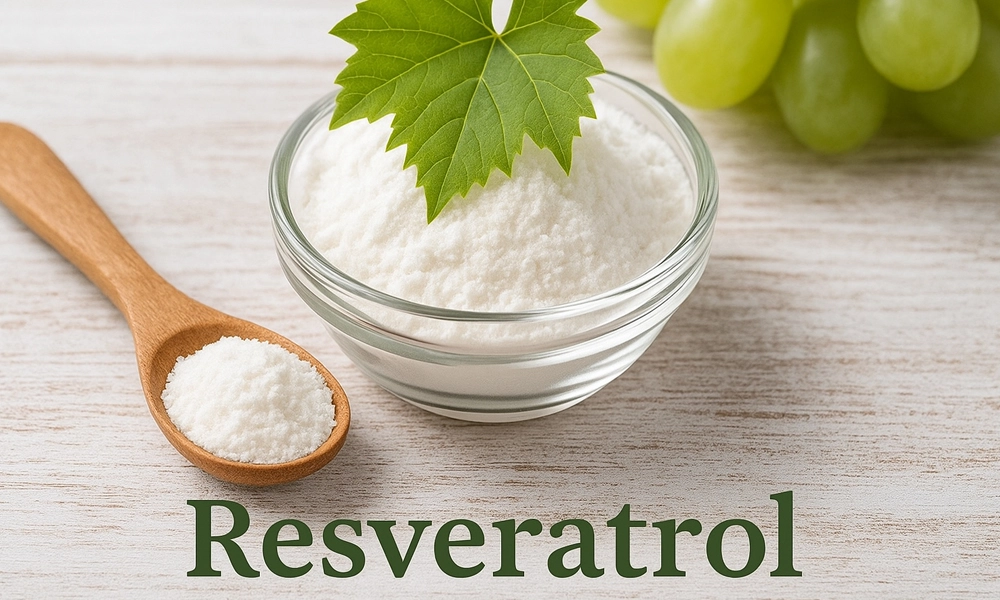
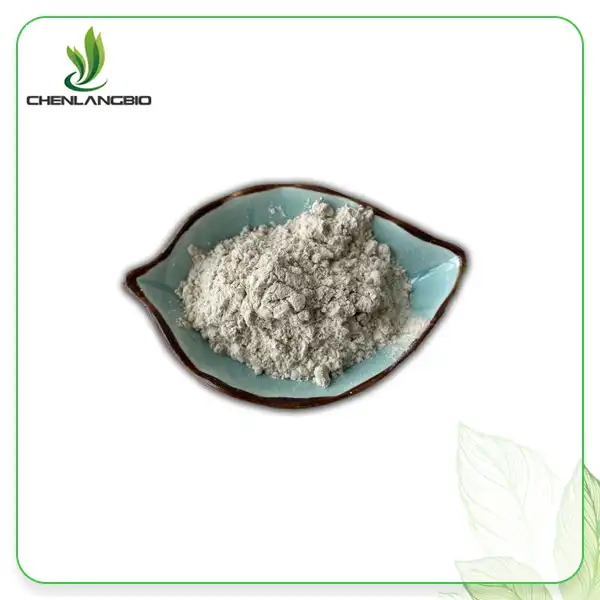
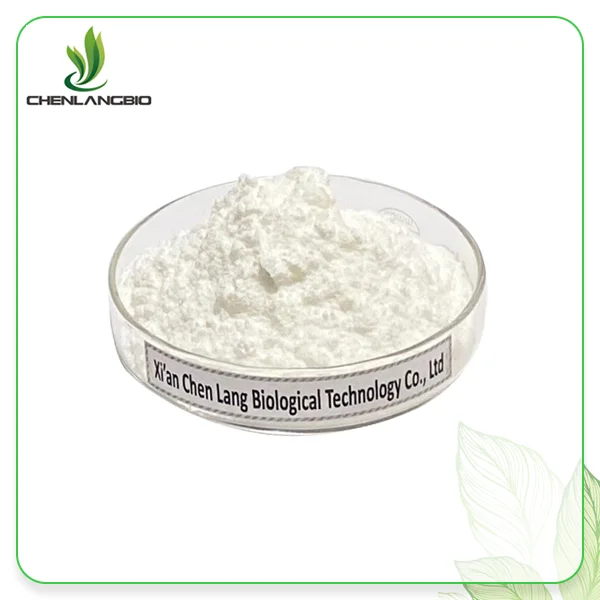
Resveratrol powder in its 98% pure form represents the highly refined, all-trans crystalline active used in premium nutraceuticals, advanced skincare formulations, and regulatory-driven markets. Unlike the broader polyphenol profile seen in 50% botanical extracts, the 98% grade is produced through multi-stage resin purification, controlled solvent exchange, and carefully engineered crystallization. These steps eliminate most plant-derived impurities and yield a bright white, free-flowing powder with exceptional consistency.
At this purity level, the ingredient behaves more like a defined active than a plant extract. The all-trans structure provides higher biological activity, greater stability under light and humidity, and more predictable performance in capsule, tablet, and topical systems. This is why brands targeting anti-aging, cellular health, cardiovascular support, or dermatological applications almost universally choose the 98% specification—it ensures accurate dosing, cleaner chromatographic profiles, and a more reliable regulatory pathway for U.S., EU, and Japanese markets.
From a procurement standpoint, high-purity trans-Resveratrol 98% is also preferred when the formulation requires a high active load, transparency in impurity levels, or repeatable color stability. Manufacturers who work with large-scale production cycles value the uniform particle morphology, low emodin content, and superior whiteness that come from true crystallization engineering. These characteristics reduce formulation challenges and ensure that every production run aligns with the visual and analytical expectations of premium products.
Applications of Resveratrol 50% Extract
When customers ask about the most practical use cases for resveratrol powder in its 50% extract form, the answer usually comes down to the balance between natural composition and cost efficiency. Because this grade retains part of the plant’s original polyphenol spectrum, it behaves more like a natural antioxidant extract than a refined active. This makes it especially suitable for functional products where the emphasis is on broad antioxidant benefits rather than delivering a highly concentrated dose of the trans-resveratrol molecule.
In food and beverage formulations, resveratrol powder 50% extract integrates smoothly into systems that already rely on plant-based ingredients, such as bars, natural drinks, botanical blends, powdered beverages, and ready-to-mix health products. The slightly darker color and distinct botanical profile are not drawbacks in these applications; instead, they help brands position their products as “whole-plant,” “clean-label,” or naturally derived. Because these categories often operate on tight cost structures, the 50% specification provides an efficient way to introduce resveratrol without over-engineering the purity level.
Functional foods, pet supplements, and mass-market antioxidant formulas also rely on this grade due to its versatile performance and stable supply. The broader polyphenol content supports general wellness positioning while keeping formulation costs manageable. For buyers who need a dependable ingredient for resveratrol extract applications without the higher price point of a purified active, the 50% grade offers a practical and well-balanced solution.
Applications of Resveratrol 98% (High-Purity Grade)
While the 50% extract is valued for its natural polyphenol composition, the high-purity form of Resveratrol powder—specifically the 98% all-trans crystalline grade—serves a very different purpose in the market. Its refined purity, clean analytical profile, and superior stability make it the preferred choice for products where dosage accuracy, regulatory acceptance, and long-term performance are essential. Below are the primary application areas where this specification delivers clear advantages:
1. Nutraceutical Capsules and Tablets
High-purity resveratrol powder 98% provides a concentrated active suitable for clinical-strength anti-aging, cardiovascular, and cellular-health formulas. Its consistent particle size, bright whiteness, and low impurity load ensure predictable tablet compression, uniform fills, and clean capsule appearance—key requirements for premium supplement brands.
2. Advanced Skincare and Dermocosmetic Formulations
Cosmetic formulators rely on pure trans-resveratrol powder for serums, creams, masks, and anti-oxidative treatments that require high stability and minimal color interference. Lower-purity extracts typically introduce variability or discoloration, while the 98% grade provides a clean, active molecule ideal for high-end topical products.
3. Clinical or Research-Driven Formulations
Experimental and clinical applications often require a well-defined active ingredient with transparent impurity data. The refined profile of resveratrol powder 98% HPLC meets these expectations, ensuring reproducibility in controlled studies, human trials, and category-leading health formulations.
4. Formulations Targeting US, EU, and Japanese Regulatory Markets
Manufacturers exporting to regulated markets choose the 98% grade because its purity, low emodin content, and stable chromatographic profile align with international documentation standards. For brands that rely on clean regulatory submissions, this is the grade that minimizes compliance risks.
5. High-Potency Functional Products
Although less common, certain functional beverages, powders, and premium health blends require a concentrated active rather than a broad-spectrum extract. In these cases, high-purity resveratrol powder for high-potency applications provides an efficient way to achieve the desired clinical dosage while maintaining formulation clarity.
Across all these categories, the consistent performance of the 98% specification reduces formulation uncertainty and helps buyers maintain quality alignment across multiple production batches—one of the main reasons it remains the preferred grade for high-end and export-oriented products.
Cost, Performance & Regulatory Differences Between 50% and 98%
As overseas buyers compare different grades of Resveratrol powder, the distinctions between the 50% extract and the 98% purified active become more apparent when evaluating cost, performance, and regulatory fit. Although both grades originate from the same botanical source, the engineering involved in creating each specification leads to very different behaviors in real-world applications. Below are the key factors procurement teams typically review before making a final decision.
1. Cost Structure
The production of resveratrol powder 50% extract requires basic extraction and concentration, which keeps the cost relatively low. In contrast, the 98% grade goes through multi-stage resin purification, solvent exchange, controlled crystallization, and extensive analytical verification. These additional steps significantly increase production time, yield loss, and operational cost—explaining why the 98% grade sits at a higher price point. Buyers working with large-volume food, beverage, or cost-sensitive formulations usually select the 50% extract for this reason.
2. Stability and Color Performance
In terms of physical performance, the two grades behave very differently. The 50% specification contains a diverse polyphenol matrix that naturally results in a darker color and greater sensitivity to moisture. This is acceptable—sometimes preferred—in natural-positioned formulations, but it limits its use in high-purity applications.
The 98% grade, produced as a crystalline trans-resveratrol powder, offers superior color stability, improved resistance to humidity, and a bright white appearance preferred in capsules, tablets, and skincare systems. For brands concerned with visual purity or long-term stability, the higher grade consistently performs better.
3. Regulatory Acceptance
Regulatory expectations also influence which specification buyers choose. The broader polyphenol content and higher variability of the 50% extract can complicate submissions for markets such as the EU or Japan, where impurity controls—especially regarding anthraquinones—are more stringent.
The high-purity resveratrol powder 98% HPLC typically aligns more easily with international regulatory frameworks due to its cleaner impurity profile, low emodin content, and well-defined chromatographic fingerprint. For companies preparing documentation for global markets, the 98% grade reduces regulatory friction and improves acceptance.
4. Formulation Precision and Active Load
Buyers developing clinical-strength or high-potency formulations often rely on the 98% grade because its purity ensures accurate dosing. One gram of 50% extract does not deliver the same active load as one gram of purified material, which means formulas must use higher ingredient volumes—something not ideal for capsules or compact delivery forms.
In contrast, pure resveratrol powder offers predictable active content and integrates easily into precise dosage systems, making it the standard for nutraceutical and skincare applications.
Which Specification Should Overseas Buyers Choose?
Choosing between the 50% extract and the 98% purified grade of Resveratrol powder ultimately depends on the purpose of the final product and the expectations of the target market. Both specifications have legitimate roles in the industry, but they are engineered for completely different types of formulations. To help procurement teams make the right decision, the following guidelines summarize which grade aligns best with each application scenario.
1. For Nutraceutical Capsules, Tablets, and Softgels
Brands developing anti-aging, cardiovascular, or cell-health supplements should prioritize resveratrol powder 98%. Its high purity provides predictable active content, stable color, and an impurity profile suitable for regulated markets. The crystalline structure also improves flowability and ensures consistent capsule fills—key requirements for large-scale production.
2. For Premium Skincare and Dermocosmetic Products
Formulators working on serums, creams, or antioxidant complexes almost always choose the 98% grade. Cosmetic applications demand a bright, clean material with reliable stability, and any plant-derived impurities in the 50% extract tend to introduce color variation or unwanted interactions. Pure trans-Resveratrol powder performs far better in sensitive topical systems.
3. For Functional Foods, Beverages, and Natural Blends
Manufacturers producing bars, powdered beverages, natural drinks, or clean-label blends typically select resveratrol powder 50% extract. Its broader polyphenol profile supports natural-positioned marketing claims and works well in systems that already rely on botanical ingredients. For high-volume use, the cost savings are substantial without compromising the general antioxidant function.
4. For Export Markets Requiring Strict Regulatory Documentation
Companies targeting the U.S., EU, Japan, or other regulated regions will find it significantly easier to work with resveratrol powder 98% HPLC. Its analytical clarity, lower emodin levels, and stable impurity profile align more naturally with international documentation standards. Many overseas brands select this grade specifically to avoid compliance issues later in the product cycle.
5. For Cost-Sensitive Formulations or Broad Antioxidant Positioning
When the finished product does not require a concentrated active or when price pressure is high, the 50% grade provides an efficient alternative. It delivers a natural antioxidant effect and integrates easily into multi-ingredient blends. For buyers balancing budget and performance, resveratrol extract 50% offers a practical middle ground.
Across all these scenarios, the key is aligning the purity level with the technical expectations of the finished product. The 50% and 98% grades are not interchangeable; choosing the correct specification reduces formulation challenges, ensures regulatory consistency, and prevents unnecessary cost increases.
Why Many Overseas Buyers ChooseCHEN LANG BIO TECH Resveratrol
For international procurement teams comparing different specifications of resveratrol powder, consistency, transparency, and manufacturing discipline often matter just as much as the assay value printed on a COA. The differences between suppliers become especially clear during repeated production runs, when factors such as impurity control, whiteness, flowability, and regulatory documentation begin to influence the overall reliability of the supply chain. Many overseas brands ultimately choose CHEN LANG BIO TECH because our production approach is designed to support long-term performance rather than one-time transactions.
1. Reliable Purity and Uniform Performance Across Batches
Our high-purity resveratrol powder 98% is produced using multi-stage resin purification and controlled crystallization, resulting in stable color, low emodin content, and repeatable HPLC profiles. Overseas buyers value this consistency because formulation behavior remains the same from one batch to the next—something that cannot be guaranteed with standard extract-based materials.
2. Superior Whiteness and Flowability for Manufacturing Efficiency
Visual purity and physical behavior are critical in both nutraceutical and cosmetic systems. CHEN LANG BIO TECH’s refined resveratrol consistently demonstrates a brightness level above 90 and predictable flow characteristics, reducing dusting, bridging, and equipment residue during capsule filling, blending, and tableting. For large-scale manufacturers, these small details create measurable differences in efficiency and yield.
3. Clean Safety Profile With No Endotoxin, Pesticides, or Plant Residues
Our fermentation-based production route eliminates many of the risks associated with botanical extraction, including pesticide residues, endotoxins, and plasticizers. This clean safety profile is especially important for brands entering regulated markets or conducting third-party testing. For buyers seeking resveratrol powder that aligns with modern safety expectations, this is a significant advantage.
4. Documented Analytical Transparency With Full HPLC and LC-MS/MS Support
Overseas customers frequently highlight the importance of transparent analytical data. Every batch produced by CHEN LANG BIO TECH is accompanied by complete chromatographic information—including HPLC chromatograms, LC-MS/MS identity confirmation, and detailed impurity profiling. This level of documentation supports regulatory submissions, internal QA processes, and long-term product traceability.
5. Stable Supply and Long-Term Manufacturing Support
A dependable ingredient supplier must provide more than technical specifications; it must offer predictable production capacity. Our controlled fermentation base and engineered purification process ensure continuous availability of both resveratrol powder 98% and resveratrol extract 50%, supporting brands that operate on consistent production schedules. Buyers working with monthly or quarterly manufacturing cycles rely on this stability to minimize risk and maintain uniform product quality.
The combination of consistent purity, strong physical characteristics, transparent analytics, and a clean safety profile is the reason many international brands choose CHEN LANG BIO TECH as their long-term partner for resveratrol sourcing.
Conclusion
Choosing the right grade of resveratrol powder—whether the 50% extract or the highly purified 98% active—ultimately depends on the technical goals of your formulation and the expectations of your market. What remains consistent is that both specifications require a supplier that understands the science behind purification, the realities of large-scale production, and the regulatory demands facing international brands. This is the level of support many overseas buyers seek when they look for a reliable partner rather than a short-term vendor.
For companies evaluating new suppliers or preparing to source resveratrol powder in bulk, CHEN LANG BIO TECH provides the analytical transparency, batch-to-batch consistency, and manufacturing depth expected in regulated global markets. Our team works directly with formulators, procurement managers, and product developers to ensure that each grade—whether resveratrol extract 50% or resveratrol powder 98% HPLC—fits the technical and commercial requirements of your final product.
If you are comparing suppliers, reviewing HPLC data, or preparing a new formulation, our technical sales team can provide detailed specifications, regulatory documentation, pricing options, and production schedules to support your decision. To discuss your sourcing needs or request a quotation for bulk resveratrol powder, feel free to contact us anytime. We are committed to delivering the reliability, clarity, and long-term support expected from a trusted manufacturing partner.
Email: admin@chenlangbio.com
WhatsApp: +86-17782478823

Send Inquiry
Related Industry Knowledge
- What Are the Key Benefits of Choosing High-Purity Indole-3-methanol Powder?
- Meglumine Powder: Applications in Modern Medicine
- Top 5 Applications of Meglumine Powder in Medicine
- Why Tart Cherry Extract Powder Is a Superfood
- Paeoniflorin 80%: A Natural Solution for Inflammation
- What are the Benefits of Glabridin Powder
- Discover the Powerful Benefits of Turkesterone Powder for Optimal Health and Performance
- China Apple Extract Polyphenols Suppliers
- Is Konjac Extract Powder Good For Weight Loss
- What Benefits of Black Pepper Extract Powder