
Nitenpyram Mode of Action: How This Insecticide Kills Pests
2026-03-18 10:21:54
Introduction to Nitenpyram Powder
Among modern crop protection technologies, neonicotinoid insecticides remain one of the most important chemical classes used to control piercing-sucking insect pests. Within this category, nitenpyram powder has attracted increasing attention due to its rapid insecticidal activity and broad applicability in both agricultural and veterinary pest control products.
In recent years, demand for high purity nitenpyram powder has grown steadily as formulation companies continue to develop more efficient insect control solutions. Compared with many traditional insecticides, nitenpyram offers a unique combination of fast action, strong activity against sap-feeding pests, and compatibility with modern pest management strategies.
From a technical perspective, understanding the nitenpyram mode of action is essential for evaluating how this compound performs in real pest-control scenarios. Like other neonicotinoid insecticides, nitenpyram targets the insect nervous system by interacting with nicotinic acetylcholine receptors. This interaction disrupts normal neural signaling and ultimately leads to paralysis and death of the target insect.
At CHEN LANG BIO TECH, we work closely with formulation partners and agricultural product developers worldwide who rely on nitenpyram insecticide active ingredients for effective pest management solutions. By understanding how nitenpyram powder works at the biological level, formulators can better optimize product performance for controlling pests such as aphids, whiteflies, thrips, and fleas.
What Is Nitenpyram Powder?
Nitenpyram powder is a fast-acting insecticide belonging to the neonicotinoid chemical family. It is widely used as an insecticide active ingredient in pest control formulations targeting piercing-sucking insects and ectoparasites.
In industrial production, nitenpyram powder 98% technical material is commonly supplied as a raw material for insecticide formulations. Because of its rapid activity and high water solubility, it is frequently used in agricultural pest control products as well as veterinary applications such as flea treatments.
For manufacturers developing insect control products, nitenpyram technical grade material provides the active compound needed to formulate highly effective pest management solutions. Many formulation companies therefore source bulk nitenpyram powder as a key component in insecticide development.
Chemical Identity of Nitenpyram
|
Property |
Information |
|
Chemical name |
Nitenpyram |
|
CAS number |
150824-47-8 |
|
Molecular formula |
C11H15ClN4O2 |
|
Chemical class |
Neonicotinoid insecticide |
|
Appearance |
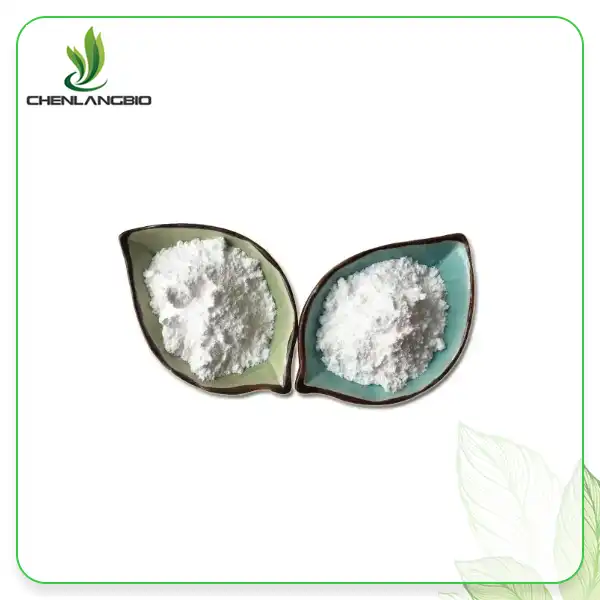
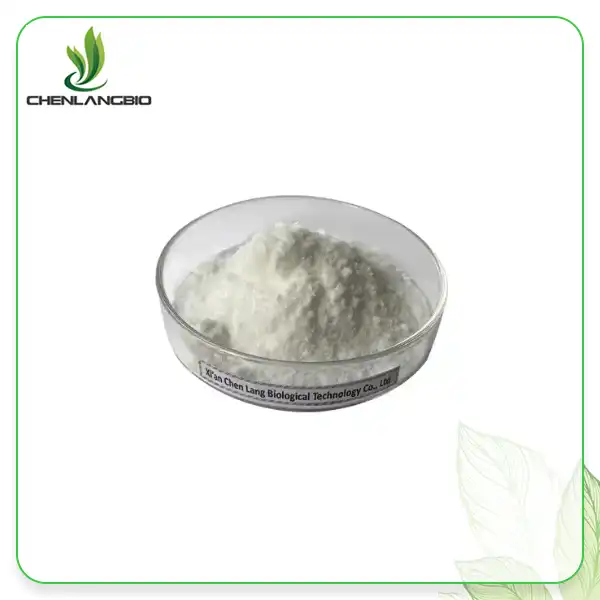
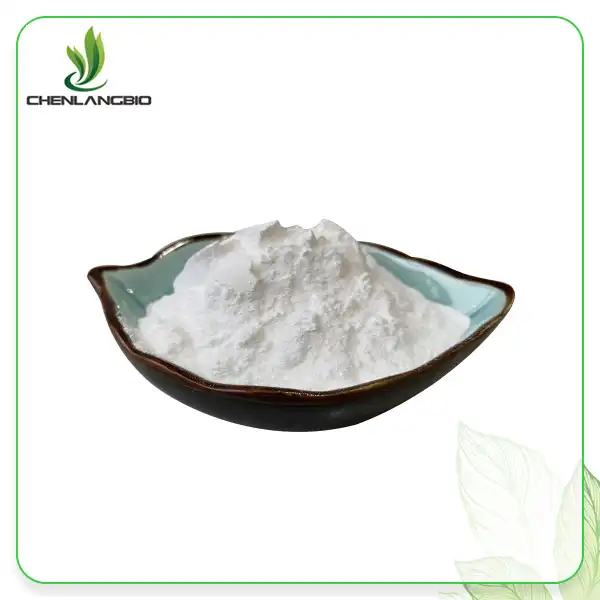
Light yellow crystalline powder |
The molecular structure of nitenpyram insecticide contains a chloropyridinyl group typical of many neonicotinoids, which contributes to its interaction with insect neural receptors.
Physical and Chemical Properties
The performance of nitenpyram powder in pest control applications is strongly influenced by its physical and chemical characteristics.
Key properties include:
|
Property |
Description |
|
Water solubility |
High solubility in water |
|
Stability |
Stable under normal storage conditions |
|
Absorption |
Rapid absorption in insects |
|
Mode of action |
Nervous system disruption |
Because of its high nitenpyram solubility, the compound can be absorbed quickly by insects after ingestion or contact. This rapid uptake contributes to the compound’s reputation as a fast acting insecticide.
These chemical properties also make nitenpyram insecticide raw material suitable for a wide range of formulation technologies used in agricultural pest control.
Nitenpyram Mode of Action
The nitenpyram mode of action is closely related to its classification as a neonicotinoid insecticide. Compounds in this class are designed to interfere with the normal functioning of the insect nervous system.
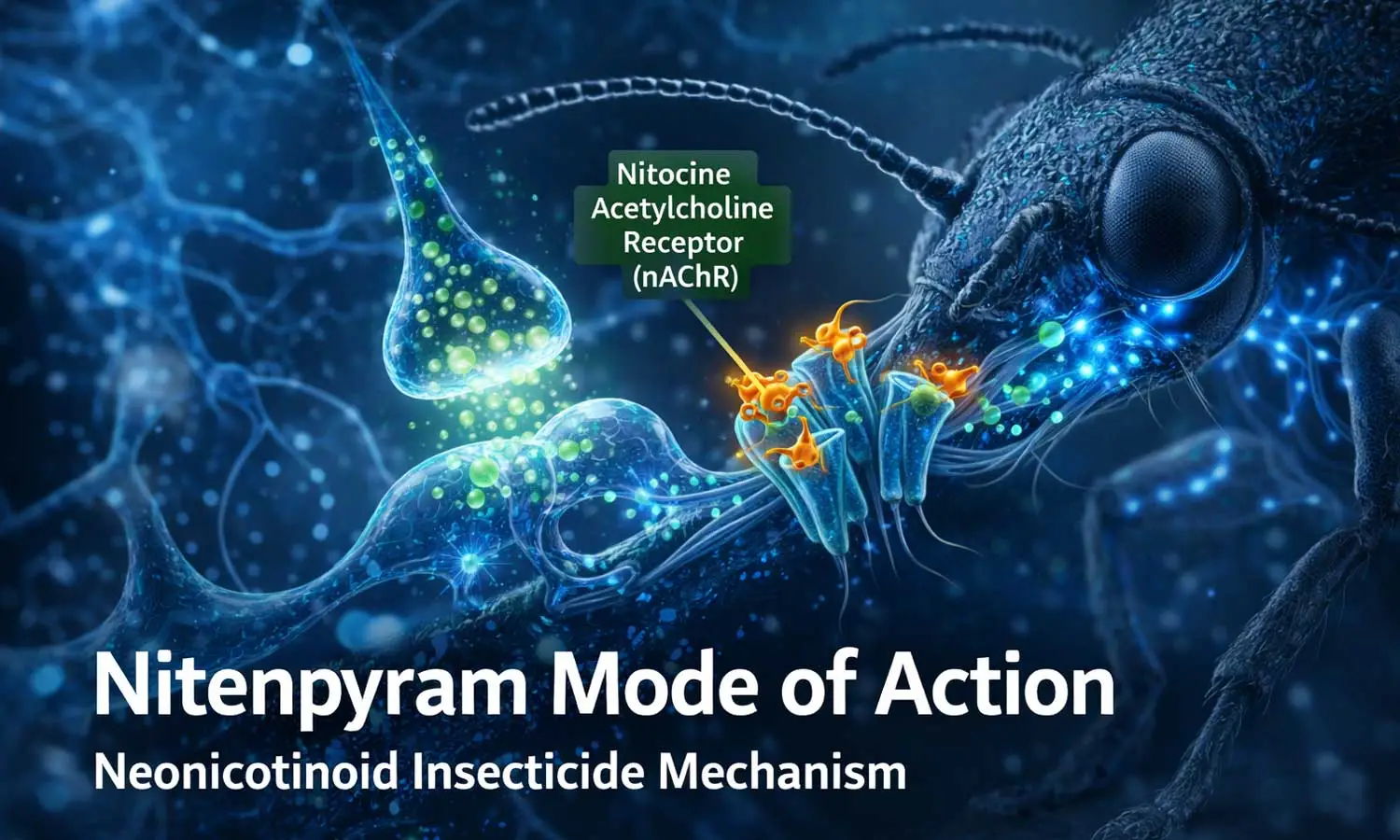
Specifically, nitenpyram insecticide mechanism involves interaction with nicotinic acetylcholine receptors (nAChRs) located in the insect central nervous system. These receptors play a critical role in transmitting nerve signals that regulate muscle movement and other physiological processes.
When nitenpyram insecticide active ingredient binds to these receptors, it causes abnormal stimulation of nerve cells. This leads to continuous nerve impulses that disrupt normal neural communication.
As the overstimulation continues, the insect experiences paralysis and eventually dies. Because insect nicotinic receptors differ structurally from those in vertebrates, neonicotinoid insecticides like nitenpyram demonstrate selective toxicity toward insects.
Interaction With Nicotinic Acetylcholine Receptors
At the molecular level, nitenpyram powder acts as an agonist of insect nicotinic acetylcholine receptors. These receptors normally respond to the neurotransmitter acetylcholine, which carries signals between nerve cells.
When nitenpyram insecticide binds to these receptors, it prevents the normal breakdown of the signal. Instead of activating the receptor briefly and then stopping, the signal remains continuously stimulated.
This results in uncontrolled nerve firing, leading to severe neurological disruption in the insect.
Disruption of the Insect Nervous System
The neurological disruption caused by nitenpyram insecticide mechanism produces several observable effects in insects.
Typical symptoms include:
•loss of coordination
•tremors and muscle spasms
•paralysis
•death
Because the compound targets neural receptors directly, the toxic effects occur relatively quickly after exposure. This is one reason nitenpyram pest control products are known for their rapid knockdown activity.
Why Nitenpyram Works Quickly
One of the distinguishing features of nitenpyram powder is its extremely fast insecticidal activity.
Several factors contribute to the compound’s rapid effectiveness:
1, High water solubility allows the compound to dissolve quickly and enter insect systems efficiently.
2, Rapid absorption enables the active ingredient to reach neural receptors quickly.
3, Strong receptor binding causes immediate disruption of nerve signal transmission.
These characteristics explain why nitenpyram speed of kill is often faster than that of many other insecticides in the same chemical class.
Target Pests Controlled by Nitenpyram
Due to its rapid neurotoxic activity, nitenpyram powder for pest control is effective against a wide range of piercing-sucking insect pests.
The compound is particularly active against insects that feed on plant sap or animal blood, making it useful in both agricultural and veterinary pest management programs.
Typical pests controlled by nitenpyram insecticide include:
|
Pest |
Control Effect |
|
Aphids |
High efficacy |
|
Whiteflies |
High efficacy |
|
Thrips |
Effective |
|
Fleas |
Very rapid control |
Because of its strong activity against sap-feeding insects, nitenpyram for aphids and nitenpyram for whiteflies are commonly discussed applications in agricultural pest control research.
In veterinary medicine, nitenpyram flea treatment is particularly well known for its ability to eliminate adult fleas rapidly after administration.
These diverse applications demonstrate why nitenpyram powder continues to be widely used as an insecticide active ingredient in modern pest management formulations.
Systemic Activity of Nitenpyram in Plants
One important factor that contributes to the effectiveness of nitenpyram powder in pest management is its systemic behavior in certain applications. Systemic insecticides are designed to be absorbed and distributed within plant tissues, allowing them to target insects that feed on plant sap.
Although systemic insecticide nitenpyram is generally known for its rapid activity rather than long persistence, the compound can still exhibit systemic movement when applied appropriately. Once absorbed by plant tissues, the active ingredient can move through the vascular system and reach areas where sap-feeding pests are present.
This systemic distribution allows nitenpyram insecticide absorption to affect insects that are difficult to control through simple contact insecticides. When pests such as aphids or whiteflies feed on plant sap containing the active ingredient, the compound enters their digestive system and rapidly affects their nervous system.
Because of this mechanism, nitenpyram for aphids and nitenpyram for whiteflies has been studied in several crop systems where rapid suppression of pest populations is required. While some neonicotinoids are specifically designed for long-term systemic protection, nitenpyram insecticide raw material is often valued for its ability to provide rapid pest elimination shortly after exposure.
This combination of systemic activity and fast neural toxicity explains why nitenpyram powder for pest control remains a relevant active ingredient in certain agricultural pest management strategies.

Advantages of Nitenpyram Powder
The widespread use of nitenpyram powder in pest control applications is largely due to several technical advantages that distinguish it from other insecticides.
These advantages are related to the compound’s chemical properties, biological activity, and compatibility with modern pest management systems.
Rapid Pest Elimination
One of the most well-known characteristics of nitenpyram insecticide is its extremely rapid speed of action. Because the compound directly interferes with insect neural receptors, pest mortality can occur shortly after exposure.
This fast acting insecticide activity is particularly useful in situations where rapid suppression of pest populations is necessary, such as severe infestations or veterinary flea control.
The fast knockdown effect associated with nitenpyram speed of kill is one reason the compound has become widely used in certain pest control formulations.
High Water Solubility
Another important advantage of nitenpyram powder is its high water solubility. Compared with many older insecticides, water soluble insecticide nitenpyram can dissolve quickly and interact efficiently with insect biological systems.
High solubility contributes to:
•rapid absorption
•efficient distribution
•improved contact with insect nervous systems
These characteristics help ensure that nitenpyram pest control products can act quickly after insects ingest or contact treated material.
Effective Against Sucking Pests
Like many neonicotinoid insecticides, nitenpyram is particularly effective against insects that feed on plant sap.
Typical pests affected by nitenpyram insecticide include:
•aphids
•whiteflies
•thrips
•leafhoppers
Because of this activity, nitenpyram powder for pest control is often used in applications targeting piercing-sucking insect pests that can significantly reduce crop productivity.
Nitenpyram vs Other Neonicotinoids
Within the neonicotinoid class, several active ingredients are commonly compared in pest control research and agricultural practice. These include compounds such as imidacloprid, acetamiprid, thiamethoxam, and clothianidin.
In discussions of nitenpyram vs imidacloprid, the key distinction often relates to speed of action. While both compounds share a similar biochemical mechanism targeting nicotinic acetylcholine receptors, their performance profiles can differ.
The following table summarizes some of the general differences between nitenpyram insecticide and other common neonicotinoids.
|
Feature |
Nitenpyram |
Imidacloprid |
|
Speed of action |
Very fast |
Moderate |
|
Residual activity |
Shorter |
Longer |
|
Typical applications |
Veterinary flea control, rapid pest suppression |
Broad agricultural pest control |
|
Target pests |
Fleas, aphids, whiteflies |
Aphids, whiteflies, planthoppers |
Because of its rapid activity, nitenpyram insecticide active ingredient is often associated with immediate pest elimination rather than extended residual control. In contrast, some other neonicotinoids may provide longer-lasting protection within plant tissues.
These differences illustrate why comparisons such as nitenpyram vs imidacloprid insecticide performance often focus on speed of action versus persistence.
How to Choose a Reliable Nitenpyram Powder Supplier
For companies developing pest control formulations, sourcing high-quality nitenpyram powder is an important consideration in ensuring consistent product performance.
Several factors are typically evaluated when selecting a nitenpyram powder supplier.
Product Purity
High purity levels are essential for maintaining the stability and effectiveness of insecticide formulations. Many formulation manufacturers prefer high purity nitenpyram powder to ensure consistent active ingredient content.
Technical Specifications
Reliable suppliers should provide complete documentation for nitenpyram technical grade material, including analytical data and quality control standards.
This documentation helps ensure that nitenpyram insecticide raw material meets the necessary requirements for formulation development.
Stable Supply Capacity
Another key consideration is supply stability. Consistent production capacity and reliable inventory levels are important for supporting long-term product development and manufacturing needs.
Suppliers capable of providing bulk nitenpyram powder with stable quality standards are typically preferred by formulation companies.
FAQ: Nitenpyram Mode of Action
How does nitenpyram kill insects?
The nitenpyram mode of action involves interaction with insect nicotinic acetylcholine receptors located in the central nervous system. When nitenpyram insecticide binds to these receptors, it causes continuous stimulation of nerve cells. This overstimulation disrupts normal neural transmission, leading to paralysis and eventual death of the insect.
What pests can nitenpyram control?
Nitenpyram powder for pest control is effective against a variety of piercing-sucking insects. Common target pests include aphids, whiteflies, thrips, and fleas. Because these insects feed on plant sap or blood, they quickly ingest the active ingredient and are affected by its neurotoxic activity.
Is nitenpyram a systemic insecticide?
Yes, systemic insecticide nitenpyram can exhibit systemic behavior in certain applications. Once absorbed by plant tissues or ingested by insects, the compound interacts with the insect nervous system and disrupts neural signaling. However, compared with some other neonicotinoids, nitenpyram is generally known more for its rapid action than for long-term residual persistence.
Why does nitenpyram act so quickly?
One of the reasons nitenpyram insecticide works rapidly is its high water solubility. Because nitenpyram powder dissolves easily, the active ingredient can be absorbed quickly by insects. Once inside the insect body, it interacts with neural receptors and disrupts nerve signaling within a short period of time.
Is nitenpyram widely used in pest control formulations?
Yes. Nitenpyram insecticide active ingredient is used in both agricultural pest control products and veterinary treatments. Its rapid insecticidal activity makes it useful in situations where fast elimination of pest populations is required.
Conclusion
The effectiveness of nitenpyram powder as an insecticide is largely determined by its interaction with insect nicotinic acetylcholine receptors. Through this nitenpyram insecticide mechanism, the compound disrupts normal neural transmission in insects, resulting in paralysis and rapid mortality.
Because of its fast mode of action, high water solubility, and strong activity against sap-feeding insects, nitenpyram insecticide continues to play an important role in modern pest management strategies. Its ability to rapidly suppress pest populations makes it particularly useful in applications where immediate control is required.
As research into neonicotinoid insecticides continues, understanding the nitenpyram mode of action helps clarify why this compound remains relevant in both agricultural and veterinary pest control systems.
For technical information related to high purity nitenpyram powder, formulation specifications, or supply availability, inquiries can be directed to the technical team at CHEN LANG BIO TECH via: admin@chenlangbio.com
References
1, Tomizawa, M., & Casida, J. E. (2005). Neonicotinoid insecticide toxicology: mechanisms of selective action. Annual Review of Pharmacology and Toxicology, 45, 247–268.
2, Jeschke, P., Nauen, R., & Schindler, M. (2011). Overview of the status and global strategy for neonicotinoids. Journal of Agricultural and Food Chemistry, 59, 2897–2908.
3, Casida, J. E. (2018). Neonicotinoids and other insect nicotinic receptor competitive modulators. Annual Review of Entomology, 63, 125–144.
4, Simon-Delso, N., et al. (2015). Systemic insecticides: trends, uses, mode of action and environmental impact. Environmental Science and Pollution Research, 22, 5–34.
5, Elbert, A., Haas, M., Springer, B., Thielert, W., & Nauen, R. (2008). Applied aspects of neonicotinoid uses in crop protection. Pest Management Science, 64, 1099–1105.
6, Jeschke, P., et al. (2010). Overview of the chemistry and biology of neonicotinoid insecticides. Pest Management Science, 66, 1083–1093.

Send Inquiry
Related Industry Knowledge
- Beta Ecdysterone Dosage Guide: How Much Should You Take?
- What to Check Before Buying Methoxsalen in Bulk: A Procurement Guide for Pharmaceutical Buyers
- How Does D-Luciferin Sodium Salt Work in Bioluminescent Imaging?
- Does Sodium Ascorbyl Phosphate Work?
- What Does Cetyl Tranexamate Do?
- How Long Does 4-Butylresorcinol Take to Work
- Is loratadine Soluble in Water
- Unlocking the Benefits: Understanding the Uses of Indole-3-Carbinol
- Where Can I Buy Natural Cranberry Extract Powder
- Can Dihydromyricetin Dispel the Effects of Alcohol