Marigold Zeaxanthin: How Zeaxanthin Is Produced from Marigold Flowers
2026-09-04 15:25:37
Marigold zeaxanthin is a naturally derived carotenoid ingredient produced from carotenoid-rich marigold flowers, particularly Tagetes erecta. Turning the harvested flowers into a standardized commercial ingredient requires considerably more than recovering their yellow-orange pigments. Raw-material selection, post-harvest handling, extraction, conversion of naturally occurring xanthophyll esters, purification, standardization, formulation, and analytical testing all influence the quality of the finished material.
For ingredient buyers, understanding this production chain is useful because agricultural origin and finished-product specification are closely connected. Two batches described as natural zeaxanthin may meet the same nominal assay while differing in raw-material history, processing control, physical form, and documentation. A reliable supply program therefore begins in the field and continues through analytical release of the finished ingredient.
Why Are Marigold Flowers Used as a Natural Source of Zeaxanthin?
Natural sources of zeaxanthin include a range of plants and foods, but marigold flowers have particular commercial importance because their petals contain concentrated xanthophyll pigments and the crop can be cultivated at agricultural scale. Tagetes erecta is widely used as an industrial botanical source of carotenoids.
The carotenoid chemistry of marigold is more complex than the phrase “zeaxanthin flower” might suggest. Marigold carotenoids include lutein, zeaxanthin, and related xanthophylls, and a substantial proportion of these pigments naturally occur as fatty-acid esters rather than solely as free carotenoids. Published analyses of marigold extracts have identified esterified xanthophylls as important components of the pigment profile.
This distinction has a direct manufacturing consequence. Producing zeaxanthin from marigold flowers is not simply a matter of grinding petals into powder. Industrial processing must recover the carotenoid fraction from the botanical matrix and then manage its chemical form and composition according to the intended finished specification.
Marigold is attractive commercially because cultivation, pigment recovery, and downstream processing can be integrated into a scalable supply chain. For manufacturers seeking a botanical alternative to synthetic carotenoid routes, this combination of natural origin and industrial availability is particularly valuable.
Where Is Marigold for Zeaxanthin Production Grown?
Marigold for zeaxanthin production is an agricultural raw material, which means growing location, planting scale, harvesting practices, and post-harvest management are part of ingredient manufacturing rather than separate from it.
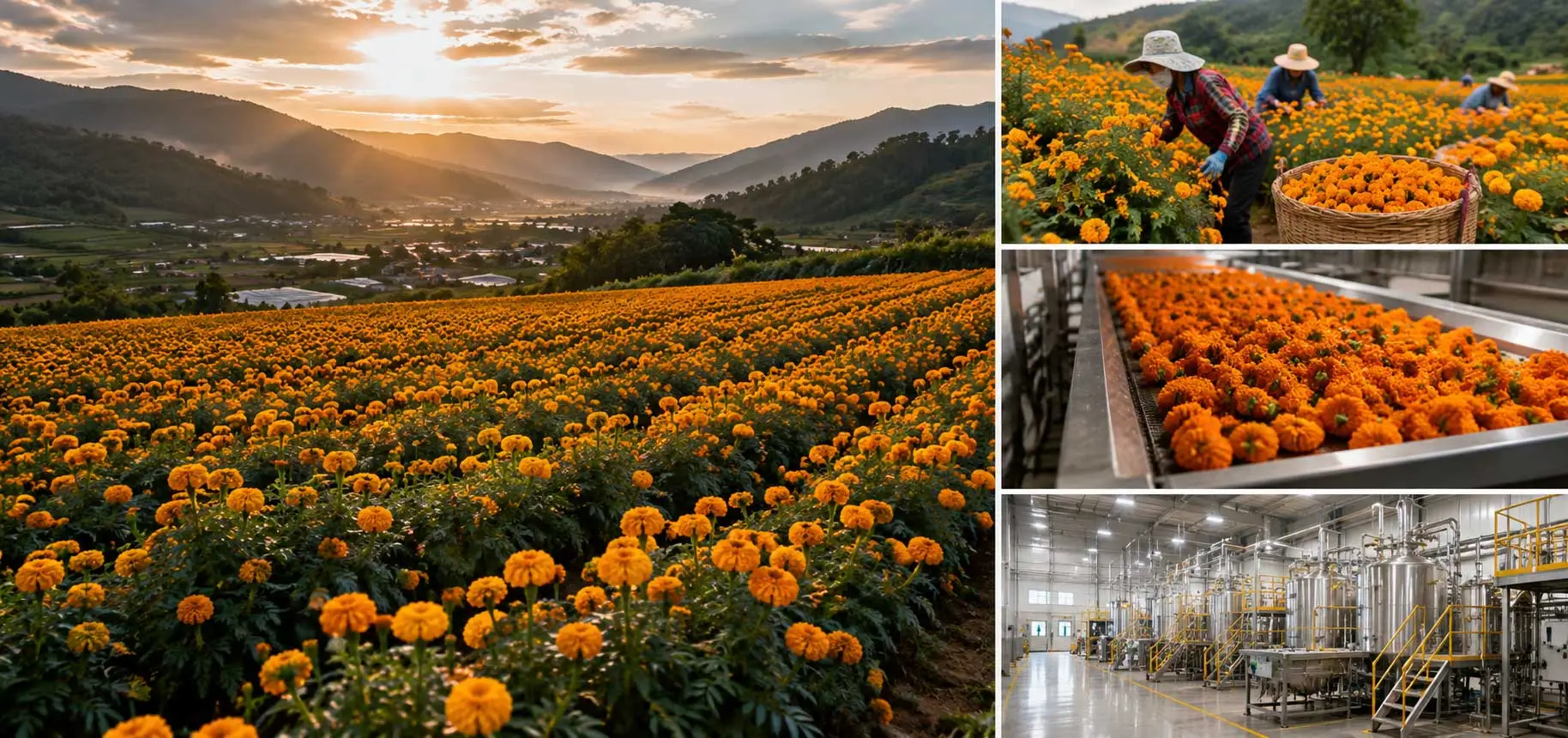
CHEN LANG BIO TECH supports its carotenoid production through a marigold cultivation network of more than 200,000 mu, covering growing areas in Yunnan, India, and Zambia. The geographically distributed sourcing structure helps provide the volume of flower material required for continuous industrial processing while reducing dependence on a single cultivation region.
Our raw-material organization follows a company, cultivation base, purchasing station, and farmer model. This creates a more direct connection between agricultural production and factory requirements than spot-market purchasing alone. Raw-material batches can be managed according to origin and purchasing records before they enter processing.
Scale is important, but acreage by itself does not determine quality. The purpose of an organized marigold cultivation for carotenoids program is to provide predictable raw-material availability while improving control over harvest condition, handling, and traceability. These factors become increasingly important when a laboratory-scale ingredient moves into repeated commercial production.
How Do Marigold Variety and Harvest Quality Affect Carotenoid Content?
Marigold carotenoid content is influenced by biological and agricultural variables. Cultivar selection is particularly relevant because pigment concentration and carotenoid profiles are not identical across all Tagetes material. Growing environment, maturity at harvest, and post-harvest treatment introduce additional variability.
This matters because extraction yield begins with the pigment concentration already present in the flower. Processing equipment can recover and refine existing carotenoids, but it cannot compensate completely for degraded or poorly controlled botanical material.
Marigold flower quality also continues to change after harvesting. Carotenoids contain extended conjugated double-bond systems that give them their characteristic color but also make them sensitive to unfavorable environmental conditions. Excessive exposure to light, oxygen, and heat during handling or storage can contribute to oxidation or isomerization.
For commercial production, raw-material qualification should therefore consider more than botanical identity. The condition of the flower material entering extraction influences both process efficiency and the consistency required for subsequent standardization.
How Is Marigold Prepared Before Zeaxanthin Extraction?
Marigold flower processing begins before the extraction vessel. Freshly harvested flowers contain substantial moisture and are not normally suitable for efficient long-distance storage or direct industrial carotenoid recovery in that state. Controlled dehydration creates a more manageable raw material while helping preserve the pigment fraction for further processing.
The dried material must then be stored under conditions appropriate for carotenoid-containing botanicals. Light, elevated temperature, moisture, and prolonged oxygen exposure are relevant considerations because deterioration at this stage follows the material into every subsequent manufacturing operation.
Before extraction, the flowers can be reduced to a suitable physical form to improve contact between the botanical matrix and the extraction phase. Particle preparation has to balance extraction efficiency against practical considerations such as material handling and downstream separation.
For this reason, marigold preparation for zeaxanthin extraction should be regarded as part of the extraction process itself. Good extraction performance begins with controlled raw material rather than with the solvent entering the extractor.
How Is Zeaxanthin Extracted from Marigold Flowers?
Zeaxanthin extraction from marigold relies on the lipophilic nature of carotenoids. The objective is to transfer the carotenoid-rich fraction from prepared flower material into a suitable extraction phase while separating it from the insoluble plant matrix.
Industrial marigold carotenoid extraction requires control over more than extraction yield. Contact efficiency, temperature, residence time, solvent management, and exposure to oxygen can affect both process economics and pigment integrity. Once extraction has taken place, the carotenoid-containing phase is separated from the spent botanical material and concentrated to obtain a pigment-rich intermediate for further processing.
At CHEN LANG BIO TECH, this stage is supported by self-developed continuous counter-current extraction equipment. In a counter-current system, fresh extraction phase encounters material at a different stage of depletion as the two streams move in opposing directions. Maintaining this concentration gradient can support efficient mass transfer while making the process suitable for continuous industrial operation.
Our production system can process up to 30 metric tons of raw material per day. That throughput is particularly relevant for natural carotenoids because manufacturing capacity has to correspond with the seasonal and agricultural scale of the raw-material supply.
The resulting extract is still an intermediate. Marigold zeaxanthin extraction recovers the relevant carotenoid fraction, but additional processing is necessary before it becomes a standardized ingredient suitable for commercial formulation.
Why Does Saponification Matter in Marigold Zeaxanthin Production?
Marigold xanthophyll esters are an important part of the chemistry of the flower. Xanthophyll molecules such as lutein and zeaxanthin contain hydroxyl groups that can naturally occur esterified with fatty acids in plant tissue. Consequently, a carotenoid-rich marigold extract can contain significant amounts of esterified pigment.
Saponification or controlled hydrolysis can be used during carotenoid processing to cleave these ester linkages and release free xanthophylls. In practical terms, zeaxanthin ester hydrolysis changes the chemical form in which the carotenoid is present and facilitates subsequent separation and standardization when a free-xanthophyll ingredient is required.
This operation requires careful process control. Carotenoids are not chemically indifferent to their environment, and reaction temperature, alkali exposure, processing time, oxygen, and light all deserve consideration. Excessively harsh processing can work against the objective of preserving the desired carotenoid profile.
The significance of marigold zeaxanthin saponification is therefore not simply that it adds another manufacturing step. It connects the natural esterified forms found in the flower with the defined carotenoid composition required in a standardized commercial material.
How Is Zeaxanthin Purified and Standardized After Extraction?
Zeaxanthin purification addresses the difference between a carotenoid-rich botanical extract and a defined commercial ingredient. Extraction removes a group of compounds from the plant matrix; it does not, by itself, guarantee a specific zeaxanthin concentration or a reproducible composition from batch to batch.
Downstream processing can involve separation, concentration, purification, and controlled conversion steps appropriate to the target specification. The exact process route depends on the starting carotenoid profile and the form of zeaxanthin being manufactured.
This is where zeaxanthin standardization becomes commercially important. Agricultural raw materials naturally vary. A finished ingredient, however, must perform against an agreed specification each time it is delivered. Standardization bridges those two realities by defining the active content and other relevant characteristics of the commercial material.
In other words, extraction answers the question “What can be recovered from the flower?” Standardization answers the question “What exactly will the customer receive?”
That distinction is particularly important when comparing a generic marigold extract zeaxanthin material with a product sold against a defined assay. Procurement teams should compare analytical specifications rather than assume that botanical origin alone establishes equivalence.
How Is Marigold Zeaxanthin Converted into Commercial Powder Forms?
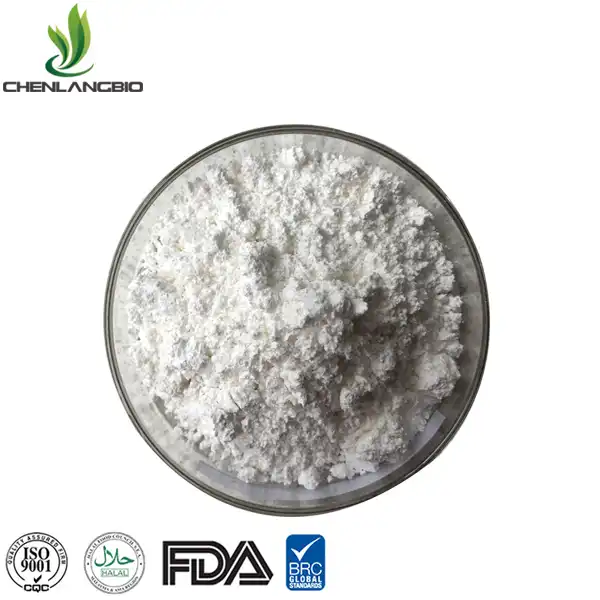
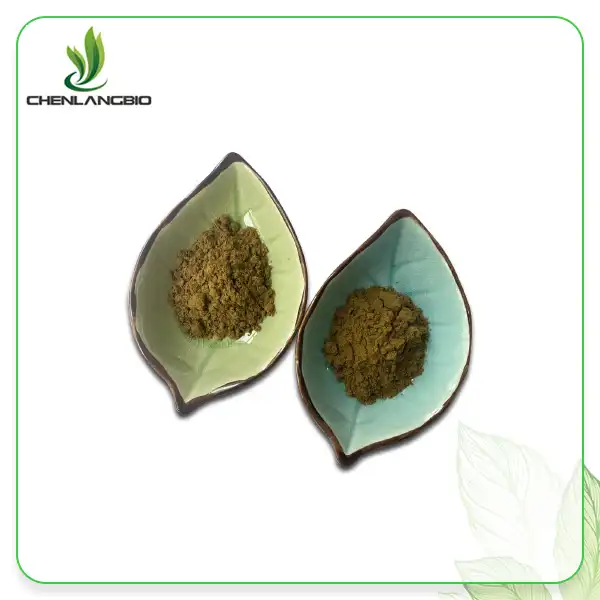
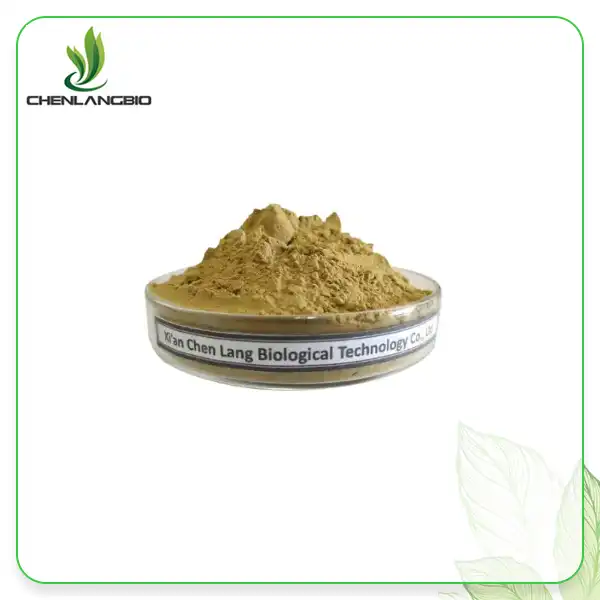
Marigold zeaxanthin powder is a finished ingredient form rather than simply dried marigold extract. After the carotenoid fraction has been processed and standardized, additional formulation may be required to give the ingredient the physical properties needed for its intended application.
A conventional natural zeaxanthin powder may be suitable where aqueous dispersion is not a central formulation requirement. Other applications, particularly beverages and reconstituted powders, can benefit from microencapsulation or carrier systems designed to improve wetting and dispersion.
This is why two powders with the same botanical origin can look and behave differently. Active concentration, carrier composition, particle properties, and formulation technology all influence the finished material.
The appropriate form should therefore be selected according to the customer's processing system rather than by assuming that one grade is universally superior. A capsule or lipid-compatible formulation may have different requirements from a solid drink intended to disperse rapidly in cold water.
How Is Marigold Zeaxanthin Tested for Identity, Assay and Quality?
Zeaxanthin HPLC testing provides a much more meaningful assessment of the ingredient than color alone. The intense yellow-orange appearance of carotenoids confirms neither identity nor active concentration, and visually similar materials can have different carotenoid profiles.
HPLC is widely used to separate and quantify carotenoids. For commercial zeaxanthin assay work, the analytical method and the basis on which the result is reported should be clearly defined. This is important because carotenoid chemistry includes different geometric and stereochemical forms, while processing and storage conditions can influence isomer distribution.
Quality evaluation extends beyond active content. Depending on the material and manufacturing route, relevant controls may include moisture, microbiological limits, heavy metals, and residual solvents. Physical characteristics of formulated powders may also need to be controlled when they affect downstream manufacturing.
At our facilities, qualified testing personnel and analytical instrumentation support batch evaluation within a full-chain quality management system. Raw-material information, processing records, test results, and finished batches are connected through traceability controls.
A zeaxanthin COA should ultimately answer a simple procurement question: does this specific production batch meet the agreed release specification? Broader information about composition, handling, and storage belongs in the product specification or technical documentation rather than being inferred from the COA alone.
Why Does Traceability Matter for Natural Marigold Zeaxanthin?
Natural zeaxanthin traceability matters because the manufacturing chain begins with a crop rather than a chemically uniform industrial feedstock. Agricultural variability cannot be eliminated entirely, but it can be managed when raw-material origin and processing history remain identifiable.
An effective marigold supply chain connects cultivation region and incoming raw-material records with the corresponding production and finished-product batches. If an analytical result changes unexpectedly, that connection makes investigation more meaningful because the manufacturer can look beyond the final test result and examine upstream variables.
Our cultivation-base and purchasing-station structure is designed around this relationship between agriculture and processing. Multiple growing regions also provide a broader sourcing foundation for commercial programs that cannot depend on a single harvest area.
For procurement teams, traceability therefore has practical value. It supports investigation, consistency management, and continuity of supply rather than serving merely as a sustainability statement.
What Should Buyers Check in a Marigold Zeaxanthin Specification?
Marigold zeaxanthin specification review should begin by establishing exactly what material is being offered. A product name alone is not sufficient to compare two quotations.
Active zeaxanthin concentration is an obvious starting point, but the analytical method behind the assay is equally relevant. Buyers should also confirm botanical source and determine whether they are evaluating an unformulated material or a powder containing carriers. For formulated grades, carrier composition can influence both use level and compatibility with the finished product.
A zeaxanthin powder specification should also provide the physical and quality parameters necessary for the intended market. Appearance, moisture where applicable, relevant contaminant limits, microbiological criteria, storage conditions, and shelf life help define the material more completely than assay alone.
This becomes particularly important when comparing quotations. A lower price per kilogram may represent a lower active concentration or a different physical form. Commercial evaluation should therefore begin with specification equivalence before moving to cost.
Documentation should support the same definition of the product. The specification, batch COA, and other technical documents should describe a coherent material rather than forcing the buyer to reconcile inconsistent information from several sources.
How Does Production Scale Affect Commercial Zeaxanthin Supply?
Commercial zeaxanthin production depends on two forms of capacity that have to work together: agricultural capacity and processing capacity. A large extraction line cannot compensate for unreliable flower supply, while extensive cultivation has limited value if downstream processing cannot handle the harvested material efficiently.
Our more than 200,000 mu cultivation network provides the agricultural side of this equation. Continuous extraction capacity of up to 30 metric tons of raw material per day supports the processing side.
For customers moving into bulk marigold zeaxanthin, this relationship becomes more important than it is during laboratory evaluation. Repeat orders require raw-material planning, manufacturing throughput, analytical release, and batch consistency over time.
Scale should therefore be evaluated as a supply-chain capability rather than a single annual-capacity figure.
Choosing Marigold Zeaxanthin for Commercial Formulations
A marigold zeaxanthin supplier should be evaluated according to how well the offered material fits the finished formulation and the buyer's quality requirements. The highest assay is not automatically the best option if the physical form creates unnecessary processing difficulties.
For dry supplements, beverage powders, functional foods, and other formats, the appropriate grade may differ in concentration and formulation technology. Technical evaluation should therefore connect the specification with the intended manufacturing process.
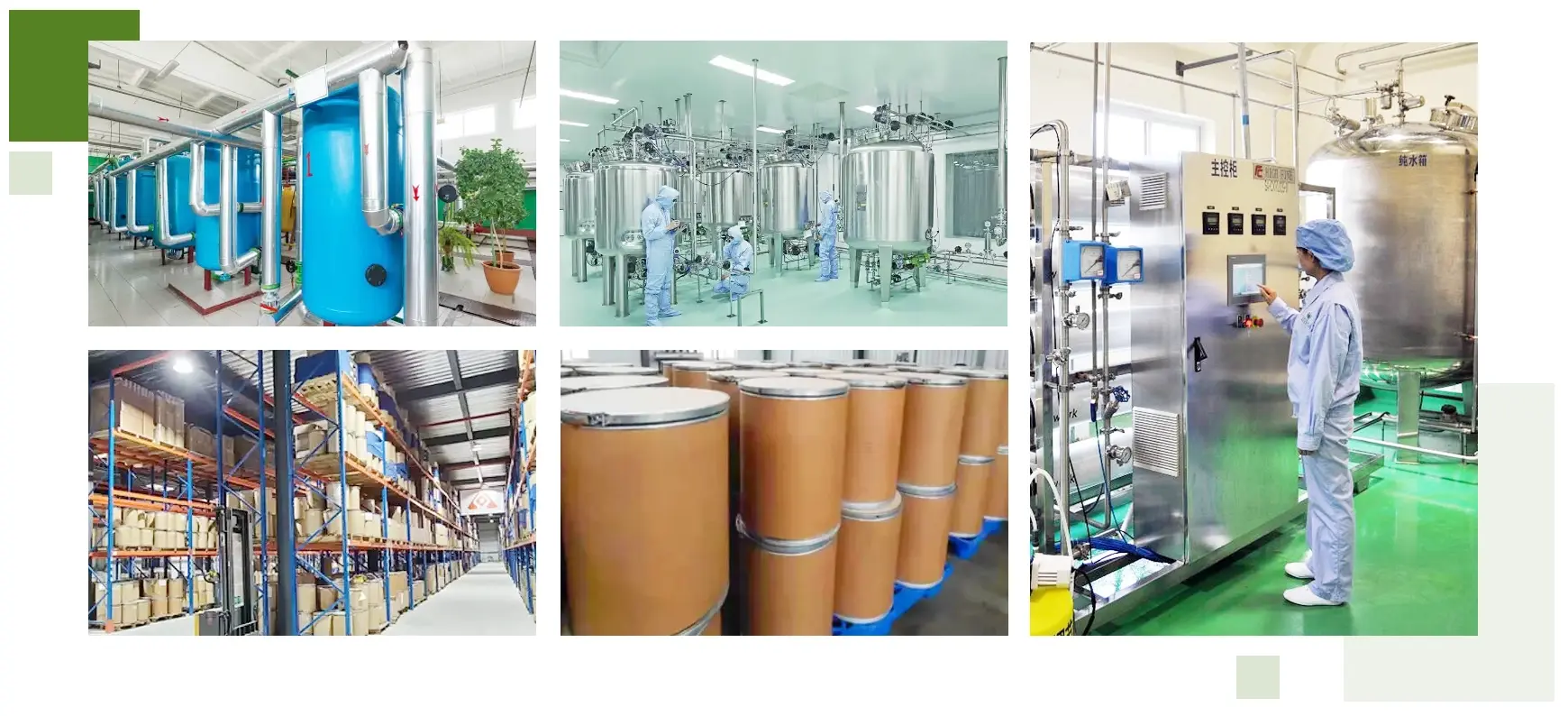
Quality-system documentation provides another part of that assessment. Our production and management systems include BRCGS, ISO 9001 and ISO 22000 certification, alongside relevant KOSHER and HALAL programs for international market requirements. These systems complement rather than replace batch-specific analytical control.
A company looking for a natural zeaxanthin supplier should therefore examine the chain behind the specification: where the botanical material comes from, how the carotenoid fraction is processed, how batches are tested, and whether commercial volumes can be supplied consistently.
From Marigold Flower to Standardized Zeaxanthin Ingredient
Marigold zeaxanthin production begins with agriculture, but commercial ingredient quality is created across the entire manufacturing chain. Cultivar and harvest conditions influence the starting carotenoid profile; post-harvest handling helps preserve it; extraction recovers the pigment fraction; downstream processing converts and purifies it; and standardization turns a variable botanical material into a defined ingredient.
For ingredient buyers, this explains why assay should never be considered in isolation. Source control, processing capability, analytical methods, physical form, and traceability provide the context needed to interpret the number on a specification.
Frequently Asked Questions About Marigold Zeaxanthin
Is zeaxanthin made from marigold flowers?
Zeaxanthin from marigold is commercially produced using carotenoid-rich Tagetes erecta flowers as botanical raw material. The flowers contain xanthophyll pigments that are recovered and processed before the target carotenoid fraction is purified and standardized. The commercial ingredient is therefore not simply powdered flower material.
What type of marigold is used for zeaxanthin production?
Tagetes erecta zeaxanthin production uses African/Aztec marigold cultivars selected for their carotenoid-rich flowers. The precise pigment profile varies with cultivar and growing conditions, which is one reason commercial production benefits from controlled agricultural sourcing rather than purchasing unidentified flower material.
Does marigold naturally contain zeaxanthin?
Marigold flower carotenoids naturally include zeaxanthin together with lutein and other pigments. Many xanthophylls occur partly in esterified forms in the flower rather than exclusively as free molecules. Commercial processing therefore involves more than simple physical separation of free zeaxanthin from dried petals.
How is zeaxanthin extracted from marigold?
Natural zeaxanthin extraction begins with prepared marigold material from which the carotenoid-rich fraction is recovered. The resulting extract is concentrated and subjected to downstream operations appropriate to the desired carotenoid composition. Controlled hydrolysis, separation, purification, and standardization may then be used according to the target ingredient.
Is marigold zeaxanthin natural?
Natural marigold zeaxanthin originates from botanical carotenoids present in marigold flowers. Industrial extraction, purification, and standardization do not mean the ingredient is simply raw plant powder; they are the processing operations required to convert variable agricultural material into a reproducible commercial ingredient. Regulatory definitions and labeling requirements should still be confirmed for the target market and formulation.
How is zeaxanthin content tested?
Zeaxanthin purity testing commonly relies on chromatographic analysis, particularly HPLC, because chromatography can separate carotenoid components before quantification. Buyers should review the method referenced by the specification rather than comparing assay numbers without knowing how they were generated.
Can buyers evaluate a sample before commercial production?
A zeaxanthin sample is useful for confirming physical behavior and formulation compatibility before scale-up. Analytical documentation can establish whether a batch meets specification, while application testing determines whether that specification performs appropriately in the customer's own product.
Commercial terms can then be discussed around the selected grade. The applicable zeaxanthin MOQ depends on the material and order requirements, so it is more useful to confirm the exact specification first than to compare minimum quantities across unlike products.
Marigold Zeaxanthin Supply from CHEN LANG BIO TECH
For customers planning to buy marigold zeaxanthin for commercial formulations, our team can provide product-specific information according to the required grade and application. The supply chain is supported by more than 200,000 mu of marigold cultivation across Yunnan, India, and Zambia, together with continuous extraction capability and batch-level quality control.
Pricing is quoted against the actual specification rather than a generic ingredient name because marigold zeaxanthin price varies with active content, finished form, order volume, documentation requirements, and commercial terms.
For specifications, COA availability, samples, or a quotation, contact CHEN LANG BIO TECH at admin@chenlangbio.com

Send Inquiry
Related Industry Knowledge
- Is Piroctone Olamine Better Than Ketoconazole?
- 4 Key Applications of Asiaticoside Powder in Wellness
- What to Plant with Bergenia?
- What is the Difference between Spermidine and Spermidine Trihydrochloride?
- Is Camellia Oleifera Seed Extract Good for Skin
- What is An Alternative to Monobenzone
- What is Dimethylmethoxy Chromanol Used for in Skincare
- What is the Classification of Phytosphingosine
- What is the Difference Between Copper PCA and Copper Peptides
- Is Ectoin Powder Effective For Treating Allergies or Asthma?