
Ergothioneine Powder Stability Guide: Shelf Life, Storage Conditions, and Packaging Best Practices
2026-06-10 15:11:47
Why Stability Matters When Sourcing Ergothioneine Powder
When sourcing bulk ergothioneine powder, stability is more than a technical detail—it is a fundamental indicator of ingredient quality, supplier reliability, and long-term product performance. For procurement teams, quality assurance specialists, and R&D managers, understanding ergothioneine stability ensures that formulations retain potency over time, comply with regulatory expectations, and maintain consistency in the finished product.
Unstable ingredients can result in diminished antioxidant activity, decreased efficacy in cognitive support supplements, or reduced shelf life in functional foods and nutraceutical products. Furthermore, variability between batches may compromise product consistency, forcing brands to implement additional quality controls or reformulations, which can increase operational costs. Therefore, evaluating ergothioneine powder stability should be considered as important as price or lead time when qualifying a supplier or manufacturer.
From a commercial perspective, stability data also directly affects risk management. Global dietary supplement regulations increasingly hold brands accountable for ingredient quality. Properly documented stability studies can demonstrate due diligence and support compliance audits, particularly for products marketed in highly regulated markets such as the U.S., Europe, and Japan. By prioritizing stable ergothioneine powder from reliable suppliers, brands can mitigate the risks of product recalls, batch failures, and reputational damage, while also ensuring predictable production schedules.
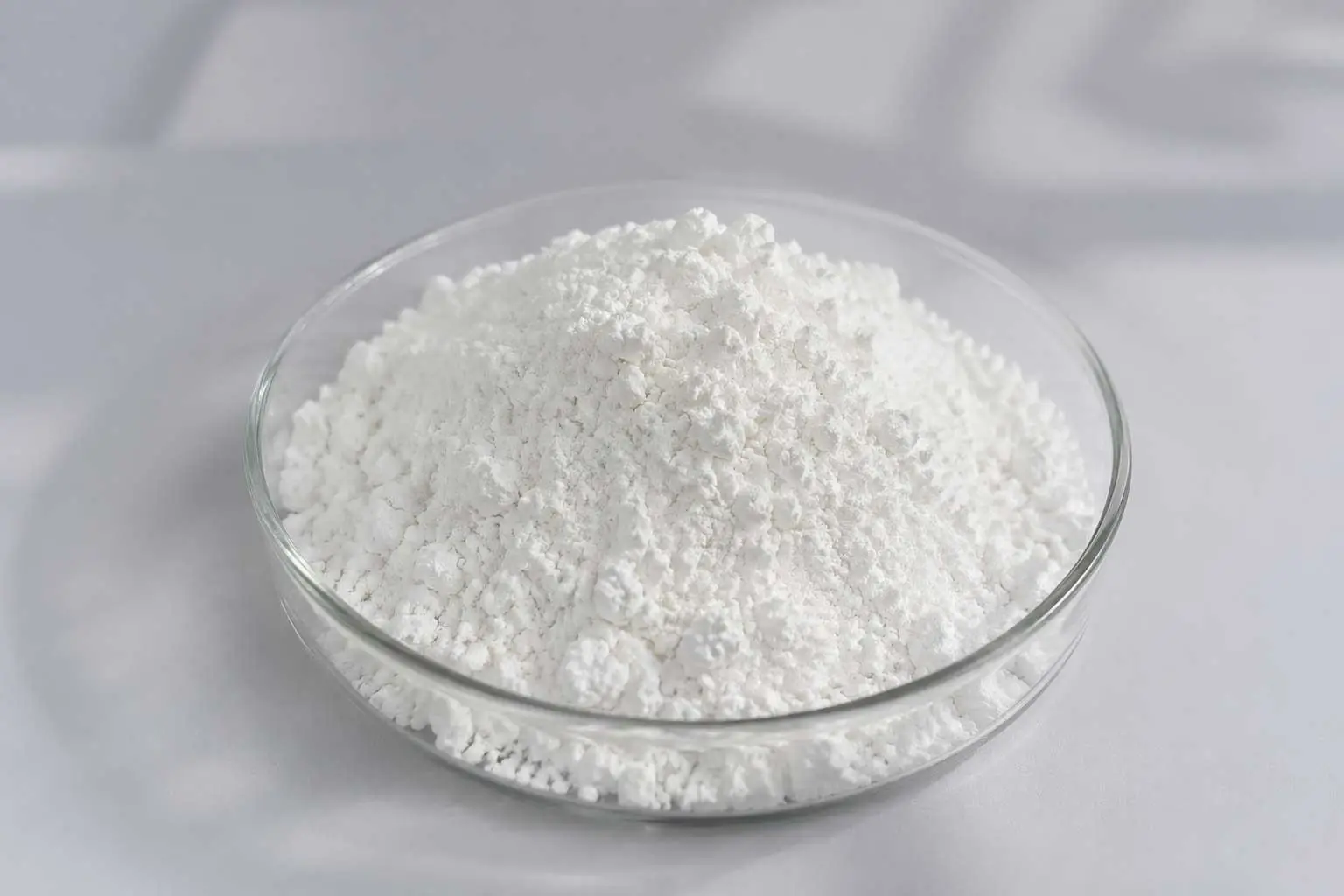

In practice, experienced buyers often assess stability alongside other critical parameters, including shelf life, packaging integrity, moisture control, and storage conditions. Suppliers who provide robust stability data, clear COAs, and historical batch consistency are generally viewed as more trustworthy partners. This approach not only ensures ingredient quality but also strengthens long-term supply chain relationships, supporting sustainable growth for both the supplier and the brand.
What Is the Typical Shelf Life of Ergothioneine Powder?
Understanding the expected shelf life of ergothioneine powder is essential for procurement, formulation planning, and inventory management. The shelf life represents the period during which the ingredient maintains its potency, safety, and overall functionality under recommended storage conditions.
For most bulk ergothioneine powder, a typical shelf life ranges from 24 to 36 months when stored appropriately. Several factors influence this timeline, including purity, moisture content, exposure to light and oxygen, and the robustness of the packaging. Suppliers with validated stability studies can provide batch-specific shelf life data, ensuring that every kilogram of raw material maintains consistent quality from production to delivery.
While the shelf life can vary slightly depending on production methods, high-purity L-ergothioneine produced through fermentation typically demonstrates superior stability compared to chemically synthesized or naturally extracted alternatives. Buyers should request documentation demonstrating both long-term stability and consistency across multiple production batches.
It is also important to recognize that shelf life is not a static metric. Temperature fluctuations during storage or transportation, improper handling, or exposure to high humidity can accelerate degradation, affecting potency and performance in the final product. For example, moisture absorption can lead to clumping, color changes, or reduced solubility, which can compromise finished formulations in capsules, tablets, or functional beverages.
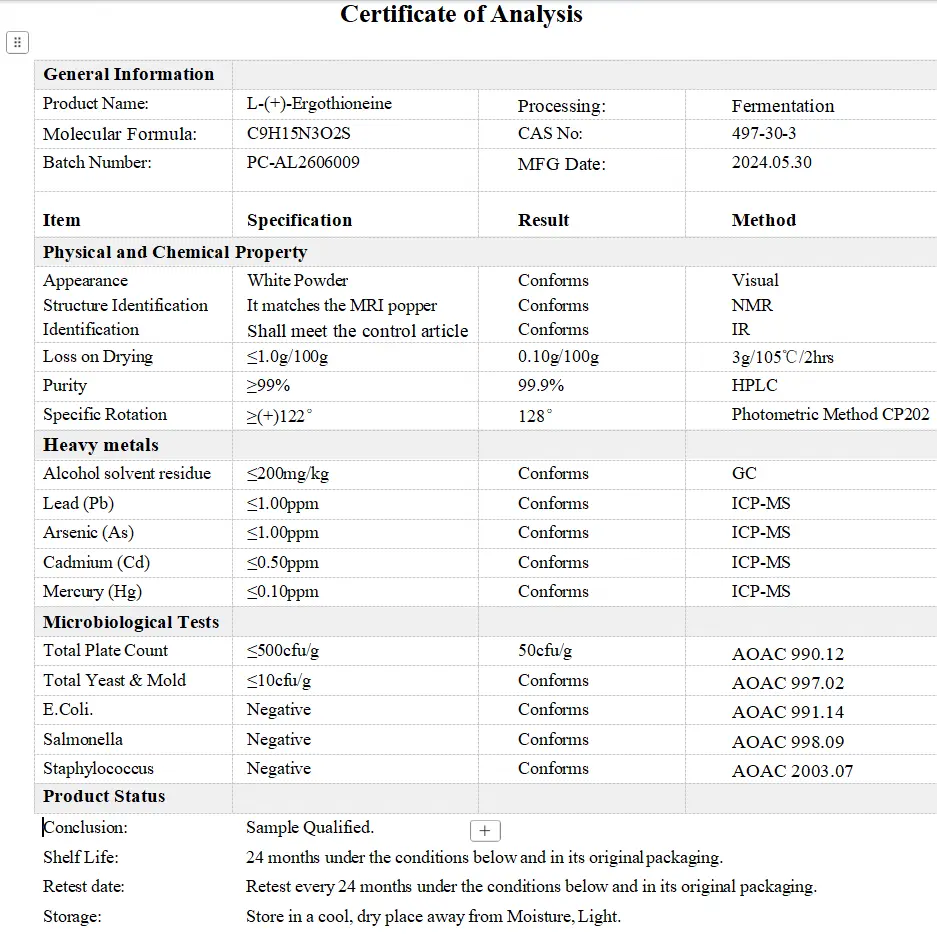
For commercial transactions, verifying shelf life claims is a standard practice among serious buyers. Procurement teams often request COAs, technical data sheets (TDS), and stability reports to ensure that the ergothioneine powder supplier can consistently deliver material that meets both the specifications and intended application requirements. Reliable suppliers will provide clear expiration dates, retest periods, and storage recommendations, supporting transparent and traceable supply chains.
Recommended Storage Conditions for Ergothioneine Powder
Proper storage is critical to maintaining ergothioneine stability throughout its shelf life. Storage recommendations should be clearly outlined in the supplier-provided COA or TDS, covering temperature, humidity, light exposure, and container integrity. Following these guidelines not only preserves potency but also supports regulatory compliance and minimizes the risk of quality deviations.
Temperature Requirements: The most effective storage range for ergothioneine powder is typically between 15°C and 25°C. Temperatures exceeding this range can accelerate degradation, reduce antioxidant activity, and shorten the overall shelf life. Cold storage is generally unnecessary unless specifically indicated in the supplier's technical documentation, but prolonged exposure to heat during transportation should always be avoided.
Humidity Control: Moisture is a critical factor affecting ergothioneine powder stability. Excess humidity can cause clumping, reduce solubility, and accelerate chemical degradation. Suppliers often recommend storing the powder in low-humidity environments, ideally below 60% relative humidity. Many professional buyers request that suppliers provide evidence of moisture control measures and historical batch performance to ensure consistent quality.
Light Exposure: Although L-ergothioneine is relatively stable under normal lighting, prolonged exposure to direct sunlight or high-intensity artificial light may impact color and overall appearance. Proper storage in opaque, airtight containers helps mitigate potential degradation due to light.
Warehouse Best Practices: For bulk procurement, proper warehouse management is equally important. Palletized storage on clean, dry, and ventilated surfaces, combined with temperature and humidity monitoring, helps ensure the ingredient arrives at manufacturing facilities in optimal condition. Buyers working with bulk ergothioneine suppliers often implement routine inspections and environmental controls to maintain ingredient quality before production use.
By adhering to recommended storage conditions, brands can preserve both the functional properties and commercial value of ergothioneine powder, while maintaining confidence in the long-term reliability of their supply partners.
Factors That Affect Ergothioneine Stability
Several factors can influence the stability of ergothioneine powder, making careful evaluation essential for buyers who intend to maintain consistent product quality. Understanding these variables allows procurement teams to assess risk, verify supplier claims, and ensure batch-to-batch consistency.
Moisture: Exposure to ambient humidity can lead to clumping, reduced solubility, and accelerated degradation. High moisture content may also promote microbial growth, which is particularly relevant for suppliers providing large-scale bulk ergothioneine powder. Buyers should ensure that suppliers provide both COA moisture data and documentation of humidity-controlled storage procedures.
Oxygen Exposure: Oxidation is a common pathway for ingredient degradation. Although L-ergothioneine is relatively stable, extended exposure to air during transportation or storage can negatively impact potency over time. Trusted suppliers often package powder in sealed, inert atmospheres to maintain stability during transit.
Temperature Fluctuations: Repeated cycles of heating and cooling can accelerate chemical breakdown. Maintaining stable temperature ranges from production through warehousing and delivery is essential for preserving ergothioneine stability. Buyers typically evaluate supplier shipping methods, cold chain controls if necessary, and recommended storage conditions.
Packaging Integrity: Packaging is not only a matter of logistics but also directly impacts ingredient quality. Aluminum foil bags, HDPE drums, and fiber drums with appropriate liners are commonly used for bulk ergothioneine powder. The right packaging reduces exposure to moisture, oxygen, and light, while ensuring safe transportation and handling.
Purity and Production Method: Higher purity L-ergothioneine produced through controlled fermentation exhibits greater intrinsic stability compared to lower-grade materials. Suppliers with validated manufacturing processes and consistent quality assurance are better positioned to maintain ingredient integrity over the declared shelf life.
By assessing these factors alongside stability data, COAs, and packaging information, buyers can make informed sourcing decisions and select a reliable ergothioneine supplier capable of supporting long-term production and market success.
Packaging Best Practices for Bulk Ergothioneine Powder
For manufacturers and brands sourcing bulk ergothioneine powder, packaging is far more than a logistics consideration. It plays a direct role in maintaining product quality, protecting ingredient stability, and preserving shelf life throughout storage and transportation.
Even a highly purified ingredient can experience quality deterioration if the packaging system fails to provide adequate protection against moisture, oxygen, and environmental contaminants.
Experienced procurement teams often evaluate packaging specifications alongside ergothioneine stability data, as both factors contribute to the long-term performance of the ingredient.
A reliable ergothioneine supplier should be able to clearly explain not only how the material is manufactured, but also how it is packaged for global distribution.
Moisture Barrier Protection
Moisture remains one of the primary threats to ingredient stability.
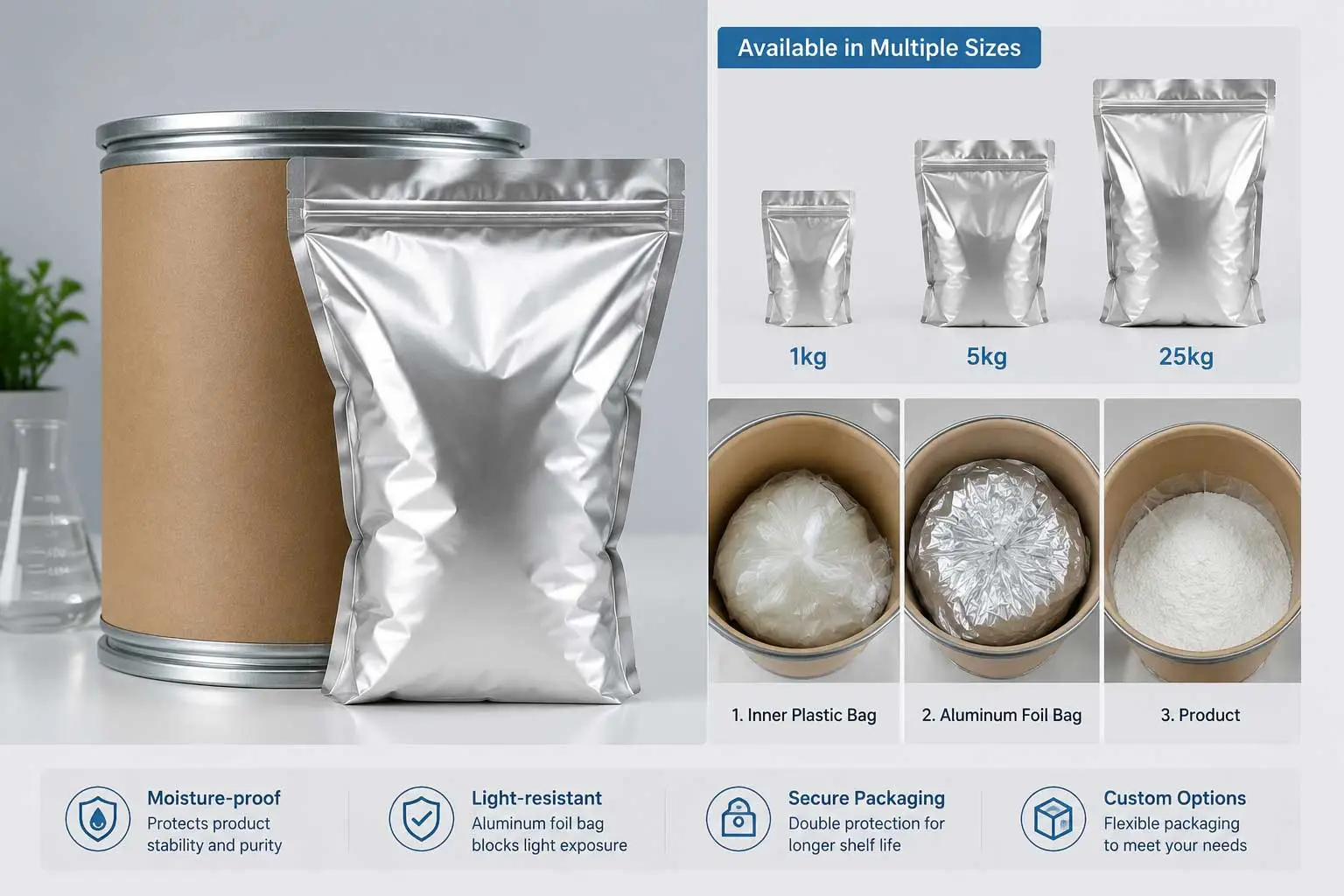
To minimize moisture absorption, premium-grade ergothioneine powder is commonly packed in:
•Double polyethylene bags
•Aluminum foil bags
•Multi-layer moisture barrier packaging
These packaging systems help prevent environmental humidity from affecting product quality during storage or international transportation.
For buyers sourcing bulk ergothioneine powder, moisture protection becomes particularly important when products are shipped to tropical climates or regions with high seasonal humidity.
Oxygen and Light Protection
Exposure to oxygen and light may accelerate degradation over time.
Professional manufacturers often use sealed packaging systems designed to reduce air exposure and maintain product integrity throughout the declared shelf life.
This level of protection is especially important for supplement brands planning extended inventory cycles or international distribution.
Commercial Packaging Formats
Most ergothioneine powder manufacturers offer packaging options such as:
•1 kg aluminum foil bags
•5 kg bags
•25 kg fiber drums
•25 kg HDPE drums
The optimal packaging format depends on production volume, inventory management requirements, and transportation considerations.
For large-scale buyers, drum packaging typically provides better protection and easier warehouse handling.
Packaging as a Supplier Qualification Indicator
Many experienced buyers view packaging quality as a reflection of overall manufacturing standards.
A supplier willing to invest in proper packaging often demonstrates stronger attention to quality management and customer requirements.
For this reason, packaging should be considered an important part of the supplier evaluation process rather than a simple shipping detail.
Transportation and International Shipping Considerations
Once an ingredient leaves the manufacturing facility, maintaining product quality becomes a logistics challenge. This is particularly true for international buyers sourcing bulk ergothioneine powder from overseas suppliers.
Although L-Ergothioneine is generally recognized as a stable ingredient under recommended conditions, improper transportation practices can still introduce unnecessary risks.
As a result, transportation planning should form part of every supplier qualification program.
Shipping Duration and Stability
Global transportation routes can vary significantly.
Depending on destination markets, transit times may range from several days to several weeks.
Buyers should understand how the supplier manages product protection throughout the shipping process.
Questions worth asking include:
•What packaging is used for export shipments?
•Are pallets protected against moisture exposure?
•How is temperature monitored during transportation?
•What contingency plans exist for shipping delays?
Reliable ergothioneine manufacturers typically establish transportation procedures that support product stability throughout the supply chain.
Climate Considerations
Shipping conditions can differ dramatically depending on destination.
For example:
•Southeast Asia
•South America
•Middle East
often present higher humidity and temperature challenges than North America or Europe.
Suppliers experienced in international distribution generally adjust packaging strategies to account for these environmental factors.
This reduces the risk of quality issues upon arrival.
Documentation and Traceability
Professional suppliers should provide complete shipment documentation including:
•Batch numbers
•COA
•Packing list
•Production date
•Retest date
These records allow buyers to maintain full traceability throughout the supply chain.
For many supplement companies, traceability has become a critical requirement for supplier approval and regulatory compliance.
How Buyers Can Verify Ergothioneine Stability Data
One of the most common challenges faced by procurement teams is determining whether supplier claims regarding stability are supported by actual evidence.
Marketing materials often highlight product quality, but experienced buyers rely on documentation rather than promotional statements.
When evaluating a potential ergothioneine manufacturer, stability verification should become part of the supplier qualification process.
Request Stability Studies
The first step is obtaining documented ergothioneine stability studies.
A comprehensive stability report should provide information regarding:
•Testing intervals
•Storage conditions
•Analytical methods
•Product specifications
•Long-term performance trends
This information helps buyers assess whether the stated shelf life is supported by scientific data.
Review Batch-to-Batch Consistency
One successful production batch does not necessarily indicate a robust manufacturing process.
Professional procurement teams often request historical quality records demonstrating consistency across multiple production lots.
Stable analytical results over time generally indicate stronger manufacturing controls and greater supply reliability.
Examine Supporting Documentation
Beyond the ergothioneine COA, buyers may request:
•Technical Data Sheet (TDS)
•Safety Data Sheet (SDS)
•Product Specification Sheet
•Stability Reports
•Manufacturing Certifications
Together, these documents provide a more complete picture of product quality and supplier capabilities.
Evaluate Technical Responsiveness
An often-overlooked indicator of supplier quality is technical support.
Reliable ergothioneine suppliers should be able to answer questions regarding:
•Storage recommendations
•Stability performance
•Formulation compatibility
•Packaging options
•Transportation requirements
Technical transparency often reflects a deeper understanding of the ingredient and a stronger commitment to customer success.
Frequently Asked Questions About Ergothioneine Shelf Life and Storage
How long does ergothioneine powder last?
Under recommended storage conditions, ergothioneine powder shelf life is typically between 24 and 36 months. Actual shelf life should always be verified through supplier-provided stability studies and batch-specific documentation.
Does ergothioneine degrade over time?
Like most active ingredients, L-Ergothioneine may gradually degrade when exposed to excessive moisture, oxygen, heat, or light.
Proper packaging and storage conditions help maintain stability throughout the product's intended shelf life.
Should ergothioneine powder be refrigerated?
In most cases, refrigeration is not required.
Storage in a cool, dry environment away from direct sunlight is generally sufficient.
However, buyers should always follow supplier-specific recommendations outlined in the product documentation.
Can ergothioneine powder absorb moisture?
Yes. Like many nutraceutical ingredients, ergothioneine powder can absorb moisture if exposed to high-humidity environments.
Proper moisture barrier packaging helps prevent this issue.
How can buyers verify shelf life claims?
The most reliable approach is to review:
•Stability Reports
•COA
•Product Specifications
•Retest Date Documentation
Professional suppliers should be able to provide supporting evidence for all shelf life claims.
What packaging is best for bulk ergothioneine powder?
For commercial orders, moisture-resistant packaging systems such as aluminum foil bags combined with fiber drums or HDPE drums are widely considered best practice. The optimal solution depends on transportation distance, storage duration, and local environmental conditions.
Choosing a Reliable Ergothioneine Supplier for Long-Term Stability
For many buyers, the purchasing decision ultimately comes down to more than product specifications.
The true value of a supplier relationship lies in consistency, transparency, and long-term reliability.
While pricing will always remain an important consideration, experienced procurement teams often view ingredient stability as a stronger indicator of long-term value.
A supplier capable of delivering stable, well-documented, and consistently manufactured bulk ergothioneine powder can help reduce operational risk, improve production efficiency, and support product quality over time.
When evaluating potential partners, buyers frequently assess:
· Manufacturing capabilities
· Stability studies
· Batch consistency
· Documentation quality
· Technical support
· Supply security
These factors often prove more important than minor price differences between competing suppliers.
As the global market for ergothioneine powder continues to expand, brands are increasingly prioritizing suppliers that combine manufacturing expertise with strong quality systems and transparent communication.
For companies seeking dependable long-term sourcing solutions, stability should not be viewed as a specification on a technical document.
It should be viewed as evidence of a supplier's ability to consistently deliver quality, reliability, and trust throughout the partnership.
Conclusion: Stability Is a Key Indicator of Ingredient Quality
The stability of ergothioneine powder directly influences product performance, shelf life, regulatory compliance, and customer satisfaction.
Understanding how storage conditions, packaging systems, transportation practices, and manufacturing controls affect ingredient stability allows buyers to make more informed sourcing decisions.
For procurement teams evaluating potential ergothioneine suppliers, stability data should be reviewed alongside quality documentation, production capabilities, and long-term supply reliability.
Ultimately, the most successful sourcing relationships are built not only on competitive pricing but also on consistent quality, transparent documentation, and a shared commitment to product excellence.
For companies seeking further technical details, batch documentation, or guidance on storage and handling, CHEN LANG BIO TECH is available to provide clarity and support. You can reach our technical and procurement team via admin@chenlangbio.com for questions about COA, stability reports, or bulk ordering considerations. This contact point is intended purely for professional inquiries, ensuring that buyers have access to the information necessary to make confident and informed sourcing decisions.

Send Inquiry
Related Industry Knowledge
- 5 Alpha Hydroxy Laxogenin vs Turkesterone Which Is Better for Muscle Growth?
- How to Choose High-Quality Palmitoylethanolamide Powder for Your Brand?
- How Does Kopexil Work for Hair Loss?
- How to Use Centella Asiatica?
- Isobutylamido Thiazolyl Resorcinol vs. Other Skin Lighteners
- Where Does Green Tea Extract Come From
- What is Honokiol Good For?
- Fisetin Powder Anti-Aging and Extending Lifespan
- Why to Buy Fisetin Powder Discover the Fisetin Benefits and Connect with Us
- What is the Most Effective Skin Whitening Sepiwhite Powder MSH