
Chondroitin Sulfate Raw Material for Supplements & Skincare: Supplier, Specifications & Bulk Supply Guide
2026-04-21 13:06:04
1. Executive Overview: Why Chondroitin Sulfate Matters in Today’s Supplement and Skincare Markets
In today’s global nutraceutical and cosmetic industries, chondroitin sulfate powder raw material remains one of the most established and commercially viable functional ingredients. Despite being widely recognized for decades, it continues to play a critical role in modern product development across both dietary supplements and skincare formulations.
For supplement brands, it is a key ingredient in joint health and mobility products, often positioned alongside glucosamine and collagen in formulations targeting aging populations and active consumers. At the same time, cosmetic manufacturers are increasingly exploring its value in skin hydration, anti-aging, and functional skincare applications, where bioactive ingredients are in high demand.
From a sourcing perspective, the importance of working with a reliable chondroitin sulfate supplier has become more evident. Buyers are no longer focused solely on price—they are evaluating:
•Consistency of raw material quality
•Availability of technical documentation (COA, specifications)
•Long-term supply stability
•Compatibility with different formulation systems
In addition, distributors and ingredient traders view chondroitin sulfate bulk supply as a strategic category due to its stable global demand and versatility across industries.
As a result, chondroitin sulfate raw material is not just a legacy ingredient—it remains a practical and scalable choice for brands, manufacturers, and suppliers seeking to develop competitive products in both health and beauty markets.
2. What Is Chondroitin Sulfate Raw Material?
Chondroitin sulfate is a naturally occurring glycosaminoglycan (GAG) that plays a structural role in connective tissues, particularly in cartilage. In industrial applications, it is typically processed and supplied as a purified chondroitin sulfate powder, intended for use as a functional raw material in various formulations.
Commercially, it is most commonly derived from animal cartilage sources, such as:
•Bovine cartilage
•Shark cartilage
These sources are selected based on availability, regulatory acceptance, and end-market requirements. For manufacturers and formulators, the origin of the material may influence both positioning and compliance in different regions.
Unlike consumer-facing ingredients, what buyers receive from a chondroitin sulfate supplier is a standardized raw material designed for:
•Consistent batch-to-batch quality
•Defined purity levels
•Compatibility with industrial production processes
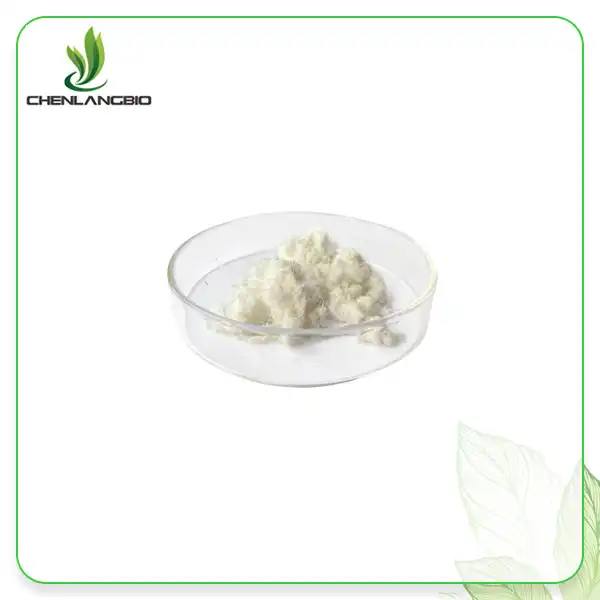
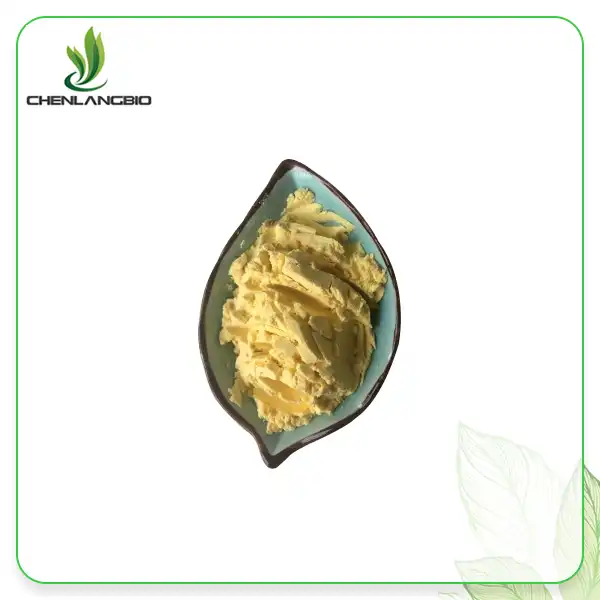
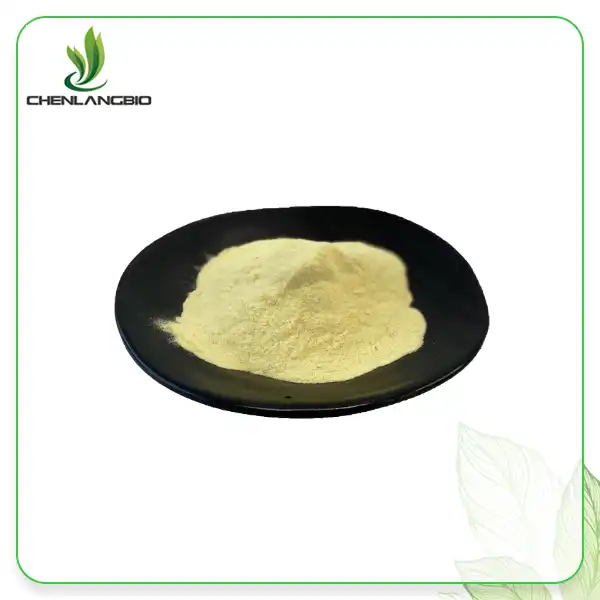
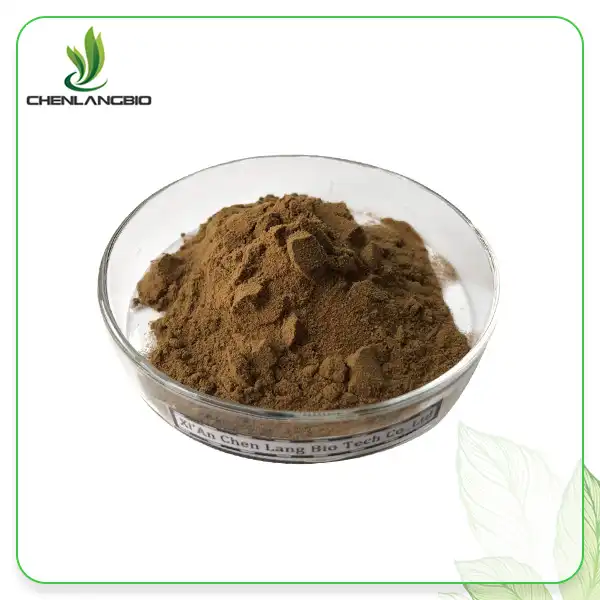
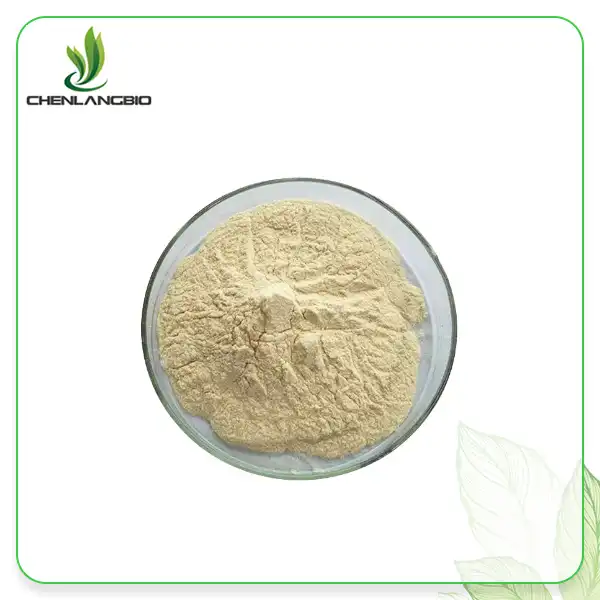
In most cases, the material is supplied as a fine, off-white powder with good water solubility, making it suitable for use in both supplement manufacturing and cosmetic formulations.
From a sourcing standpoint, understanding the nature of chondroitin sulfate raw material is essential. It is not simply an “active ingredient” but a functional component within a larger formulation system, where its performance depends on quality consistency, formulation compatibility, and application-specific requirements.
3. Functional Value in Dietary Supplements: Why Supplement Brands Use Chondroitin Sulfate
For dietary supplement manufacturers, chondroitin sulfate for supplements remains a well-established ingredient with long-term market recognition, particularly in joint health and mobility products.
3.1 Joint Health Positioning
One of the primary reasons supplement brands continue to use chondroitin sulfate is its association with cartilage support and joint function. It is commonly included in formulations designed to:
•Support joint flexibility and mobility
•Maintain cartilage structure
•Address age-related joint concerns
Because of this positioning, chondroitin sulfate raw material is widely used in products targeting:
•Aging populations
•Active lifestyle consumers
•Sports nutrition and recovery segments
3.2 Compatibility with Multi-Ingredient Formulations
In commercial supplement development, chondroitin sulfate is rarely used as a standalone ingredient. Instead, it is frequently combined with other functional compounds such as:
•Glucosamine
•MSM (Methylsulfonylmethane)
•Collagen
•Hyaluronic acid
This compatibility makes it a flexible choice for formulators developing combination products. As a result, many buyers specifically look for a chondroitin sulfate supplier who can provide consistent quality suitable for multi-ingredient systems.
In terms of dosage forms, chondroitin sulfate powder bulk is commonly used in:
•Capsules
•Tablets
•Powder blends
•Sachets and stick packs
3.3 Long-Term Market Stability and Product Development Value
From a commercial perspective, one of the key advantages of chondroitin sulfate bulk supply is its market stability. Unlike emerging or trend-driven ingredients, chondroitin sulfate benefits from:
•Established consumer awareness
•Long-term usage history
•Regulatory familiarity in many markets
For supplement brands, this translates into lower product development risk and easier market acceptance.
For distributors and contract manufacturers, sourcing from a reliable chondroitin sulfate manufacturer ensures:
•Stable product availability
•Predictable quality standards
•Easier integration into existing product lines
As a result, chondroitin sulfate powder continues to be a practical choice for both new product development and portfolio expansion in the supplement industry.
4. Functional Value in Skincare: Why Cosmetic Manufacturers Are Paying More Attention to Chondroitin Sulfate
While traditionally associated with joint health supplements, chondroitin sulfate is gaining increasing attention in the cosmetic industry, particularly among formulators developing functional skincare products.
4.1 Skin Hydration and Water-Binding Support
As a glycosaminoglycan, chondroitin sulfate has the ability to interact with water molecules, contributing to moisture retention within the skin surface. This property makes it relevant for formulations designed to support:
•Skin hydration balance
•Improved skin texture
•Long-lasting moisturizing effects
In this context, chondroitin sulfate in cosmetics is often positioned as part of a broader hydration system, rather than as a standalone active.
4.2 Role in Skin Conditioning and Anti-Aging Formulations
In modern skincare development, formulators are increasingly focused on ingredients that support overall skin condition and appearance. Chondroitin sulfate for skincare is typically used in formulations targeting:
•Skin smoothness and elasticity
•Conditioning and barrier-support systems
•Age-related skin appearance
Rather than being marketed as a primary “hero ingredient,” it is more commonly used as a supportive functional component that enhances formulation performance.
4.3 Formulation Compatibility and Application Scenarios
From a formulation perspective, cosmetic grade chondroitin sulfate offers flexibility across different product types.
It can be incorporated into:
•Creams and emulsions
•Serums and essences
•Gel-based formulations
•Functional moisturizing systems
For cosmetic manufacturers, the value of sourcing high-quality chondroitin sulfate raw material lies in its compatibility with multi-ingredient systems and its ability to contribute to product positioning in hydration and skin conditioning categories.
5. Industrial Applications and Product Development Scenarios
Understanding how chondroitin sulfate raw material is applied in real product development helps bridge the gap between ingredient selection and commercial formulation.
5.1 Supplement Product Formats
In the dietary supplement sector, chondroitin sulfate for supplements is widely used across multiple dosage forms, including:
•Capsules and tablets
•Powder blends
•Sachets and stick packs
•Functional combination formulas
Its versatility allows manufacturers to integrate it into both single-ingredient and multi-ingredient formulations, depending on target positioning.
5.2 Cosmetic Product Formats
In skincare development, chondroitin sulfate in cosmetics is typically incorporated into formulations designed to support hydration and conditioning.
Common product formats include:
•Moisturizing creams
•Anti-aging serums
•Functional skincare solutions
•Gel and essence formulations
Its compatibility with other cosmetic ingredients makes it suitable for use in layered formulation systems.
5.3 Opportunities for Distributors and Ingredient Traders
For distributors, chondroitin sulfate bulk supply represents a stable and commercially viable category.
Key advantages include:
•Consistent demand across supplement and cosmetic industries
•Established market recognition
•Broad application flexibility
As a result, it is often included as a core product within portfolios targeting health, wellness, and functional ingredient markets.
6. Key Specifications Buyers Should Review Before Purchasing
For procurement teams and formulators, evaluating chondroitin sulfate specifications is a critical step in ensuring product quality, consistency, and suitability for intended applications.
Rather than focusing solely on price, experienced buyers typically assess a combination of technical and supply-related factors.
6.1 Purity and Assay Range
One of the most important parameters is purity. Common commercial grades of chondroitin sulfate raw material include:
•Approximately 90% purity
•Approximately 95% purity
Higher purity levels are generally preferred for supplement applications, while cosmetic applications may prioritize stability and formulation compatibility.
6.2 Raw Material Source and Origin
The source of chondroitin sulfate can vary, with common options including:
•Bovine-derived material
•Shark-derived material
Different markets and applications may have specific preferences based on regulatory considerations, sustainability concerns, and product positioning.
6.3 Physical Characteristics and Processing Compatibility
Buyers also evaluate physical properties such as:
•Appearance (typically off-white powder)
•Solubility in water
•Odor and texture consistency
These characteristics can influence how the material performs during manufacturing and formulation processes.
6.4 Documentation and Quality Support
A reliable chondroitin sulfate supplier should be able to provide clear and consistent documentation, including:
•Certificate of Analysis (COA)
•Specification sheets
•Batch consistency records
•Basic testing information
This documentation is essential for both internal quality control and regulatory compliance.
6.5 Supplement Grade vs. Cosmetic Grade Considerations
Although the base material may be similar, procurement requirements often differ depending on the application.
Supplement-grade chondroitin sulfate focuses on purity, assay, and compliance with relevant standards
Cosmetic grade chondroitin sulfate places more emphasis on stability, safety, and formulation compatibility
Understanding these differences helps buyers select the most appropriate material for their specific use case.
Typical Specification Overview
|
Item |
Typical Range |
Buyer Consideration |
|
Purity |
90% / 95% |
Application suitability |
|
Appearance |
Off-white powder |
Batch consistency |
|
Solubility |
Water soluble |
Formulation compatibility |
|
Source |
Bovine / Shark |
Market preference |
|
Documentation |
COA available |
Quality assurance |
7. Bulk Supply, Packaging, MOQ, and Export Considerations
For procurement teams and distributors, evaluating chondroitin sulfate bulk supply involves more than just comparing prices. Practical factors such as packaging, minimum order quantities, and supply flexibility play an equally important role in supplier selection.
7.1 Packaging Options for Industrial Use
In international trade, chondroitin sulfate powder bulk is typically supplied in standardized packaging formats designed for both protection and logistics efficiency.
Common options include:
1 kg aluminum foil bags, suitable for sampling, testing, and small-scale production
25 kg paper drums, widely used for bulk orders and industrial distribution
This combination allows buyers to start with small quantities for formulation validation before moving into larger procurement volumes.
7.2 Flexible MOQ for Different Buyer Needs
Minimum order quantity (MOQ) is often a key concern, especially for:
New product development projects
R&D teams conducting formulation trials
Distributors testing new product lines
In practice, some manufacturers now offer low MOQ options starting from 1 kg, making it easier for buyers to initiate cooperation without committing to large upfront volumes.
This level of flexibility can be particularly valuable for smaller brands or companies entering new markets.
7.3 Supply Stability and Production Capability
When sourcing from a reliable chondroitin sulfate manufacturer, consistency in both quality and supply is essential.
Established suppliers are typically able to provide:
Stable production based on controlled raw material sourcing
Consistent specifications across batches
Scalable output for long-term cooperation
For buyers managing multiple SKUs or distribution channels, this consistency is often more important than short-term cost advantages.
7.4 Export Readiness and Documentation Support
For international buyers, working with an experienced chondroitin sulfate supplier ensures smoother logistics and compliance processes.
Key support typically includes:
•Standard export packaging
•Basic documentation such as COA and specification sheets
•Experience handling international shipments
These factors reduce operational friction and make it easier for buyers to integrate the material into their supply chain.
8. How to Choose a Reliable Chondroitin Sulfate Supplier
Selecting the right chondroitin sulfate supplier is a strategic decision that impacts not only product quality, but also long-term operational efficiency.
Rather than focusing on price alone, experienced buyers evaluate suppliers based on several key criteria.
8.1 Manufacturing Capability and Raw Material Control
A qualified chondroitin sulfate manufacturer should have stable access to raw materials and controlled production processes.
Commercially available material is commonly derived from sources such as:
Bovine cartilage
Poultry cartilage (including chicken-derived sources)
Different sources may be selected based on regulatory requirements, market preferences, and supply stability. For buyers, transparency regarding raw material origin is an important factor in supplier evaluation.
8.2 Product Range and Specification Flexibility
Suppliers with broader product capabilities are often better positioned to support different application needs.
For example, commercially available chondroitin sulfate raw material is typically offered in multiple purity levels, such as:
•Approximately 90% purity
•Approximately 95% purity
Having access to different grades allows buyers to select the most appropriate specification for supplement or cosmetic applications.
8.3 Quality Documentation and Consistency
Reliable suppliers should provide clear and consistent documentation, including:
•COA (Certificate of Analysis)
•Specification sheets
•Batch-level consistency
This documentation is essential for both internal quality control and regulatory review processes.
8.4 Responsiveness and Technical Support
Beyond product quality, the ability to communicate effectively is a key factor in long-term cooperation.
Buyers often prefer suppliers who can:
•Respond promptly to inquiries
•Provide technical clarification when needed
•Support sample requests and documentation efficiently
This is particularly important for formulation teams working under development timelines.
8.5 Long-Term Supply Reliability
Ultimately, sourcing decisions are based on long-term considerations.
A reliable chondroitin sulfate bulk supplier should be able to offer:
•Consistent quality across multiple orders
•Stable production capacity
•Scalable supply for growing demand
For distributors and manufacturers alike, this stability reduces risk and supports business growth.
9. Who This Ingredient Is Best Suited For
Understanding whether chondroitin sulfate raw material aligns with your business model can help guide sourcing decisions.
9.1 Supplement Brands
For dietary supplement companies, chondroitin sulfate for supplements is well-suited for:
•Joint health product lines
•Active aging formulations
•Combination formulas with glucosamine and collagen
Its established market presence makes it a practical choice for both new and existing products.
9.2 Cosmetic and Skincare Manufacturers
For skincare brands, chondroitin sulfate in cosmetics offers potential value in:
•Hydration-focused formulations
•Skin conditioning products
•Functional anti-aging systems
It is typically used as part of a broader formulation strategy rather than a standalone feature ingredient.
9.3 Distributors and Ingredient Traders
For distributors, chondroitin sulfate bulk supply represents a stable category with ongoing demand.
It is particularly suitable for:
•Expanding product portfolios
•Serving supplement and cosmetic manufacturers
•Maintaining consistent inventory of established ingredients
10. Why Strategic Sourcing Matters More Than Price Alone
In competitive markets, it can be tempting to prioritize low pricing when sourcing chondroitin sulfate raw material. However, experienced buyers recognize that total cost goes beyond the initial purchase price.
Key considerations include:
•Batch consistency and reliability
•Communication efficiency with suppliers
•Availability of documentation and technical support
•Stability of long-term supply
Lower-cost materials may introduce variability that affects formulation performance or supply chain efficiency. In contrast, working with a reliable chondroitin sulfate manufacturer can help reduce operational risk and ensure smoother production processes.
For many buyers, this makes supplier reliability a more critical factor than short-term cost differences.
Frequently Asked Questions About Chondroitin Sulfate Raw Material
1. What is chondroitin sulfate used for in supplements and skincare?
Chondroitin sulfate is widely used as a functional ingredient in both dietary supplements and cosmetic formulations.
In supplements, it is commonly included in products designed for joint health and mobility support.
In skincare, it is used in formulations focused on hydration, skin conditioning, and overall product performance.
2. What purity levels are available for chondroitin sulfate raw material?
Commercially available chondroitin sulfate raw material is typically offered in different purity levels, most commonly around 90% and 95%.
Higher purity grades are generally preferred for supplement applications, while cosmetic formulations may prioritize stability and compatibility depending on the formulation system.
3. What sources are used to produce chondroitin sulfate?
Chondroitin sulfate is usually derived from animal cartilage sources. Common industrial sources include:
•Bovine cartilage
•Poultry (such as chicken cartilage)
The choice of source may depend on regulatory requirements, supply stability, and target market preferences.
4. What is the typical MOQ for bulk chondroitin sulfate supply?
MOQ can vary depending on the supplier. In many cases, buyers can start with small quantities for evaluation.
For example, some suppliers offer minimum order quantities starting from 1 kg, which is suitable for R&D testing and formulation development before scaling to larger orders.
5. How is chondroitin sulfate packaged for international shipment?
Standard packaging for chondroitin sulfate powder bulk typically includes:
•Small quantities in aluminum foil bags (e.g., 1 kg)
•Bulk quantities in drums (e.g., 25 kg paper drums)
This ensures both product stability and efficient logistics during international transportation.
6. What should buyers check before choosing a chondroitin sulfate supplier?
When selecting a chondroitin sulfate supplier, buyers usually evaluate:
•Product specifications and purity levels
•Availability of COA and technical documents
•Raw material source transparency
•Batch consistency and supply stability
•Responsiveness and communication efficiency
These factors are often more important than price alone in long-term cooperation.
7. Is chondroitin sulfate suitable for both supplement and cosmetic applications?
Yes, chondroitin sulfate raw material is widely used in both industries.
However, requirements may differ:
•Supplement applications focus more on purity and standardization
•Cosmetic applications focus more on formulation compatibility and stability
Choosing the appropriate grade depends on the intended use.
11. Conclusion: A Practical Raw Material Choice for Multiple Industries
Chondroitin sulfate powder remains a versatile and commercially relevant ingredient across both supplement and cosmetic industries.
Its established role in joint health products, combined with its growing application in skincare formulations, makes it a practical choice for:
•Product developers
•Manufacturers
•Distributors
When sourcing chondroitin sulfate bulk supply, buyers benefit from focusing on:
Appropriate specifications
Reliable raw material sources
Consistent supplier performance
These factors ultimately determine how effectively the ingredient can be integrated into long-term product strategies.
12. Request Technical Documents, Samples, or a Bulk Quote
For companies sourcing chondroitin sulfate powder bulk for supplement or skincare applications, access to technical information and flexible supply options is essential during the evaluation stage.
At CHEN LANG BIO TECH, we support buyers with:
•Multiple specification options (commonly around 90% and 95% purity)
•Raw materials sourced from bovine and poultry origins
•Flexible MOQ starting from 1 kg for initial evaluation
•Standard packaging options, including aluminum foil bags and bulk drums
If you are evaluating suppliers or planning a new product line, our team can provide:
•Specification sheets and COA
•Sample support for testing
•Bulk quotation based on your requirements
Contact us Email: admin@chenlangbio.com to discuss your sourcing needs or request further technical information.

Send Inquiry
Related Industry Knowledge
- What Is Beta Ecdysterone? Benefits, Sources and Applications
- What is Liposomal Glutathione?
- Does Beta Ecdysterone Help with Muscle Growth?
- Can Chondroitin Sulfate Powder Help with Arthritis?
- Enhance Your Skincare Routine with Pro-Xylane Powder
- Pro-xylane Powder: Benefits for Skin Care
- The Ultimate Guide to Buying Instant Kava Powder Online
- How Does Nitenpyram Work
- What is Pure Lycopene Powder and Why Your Skin Needs It
- How Much Turkesterone in Ajuga Turkestanica Extract Powder